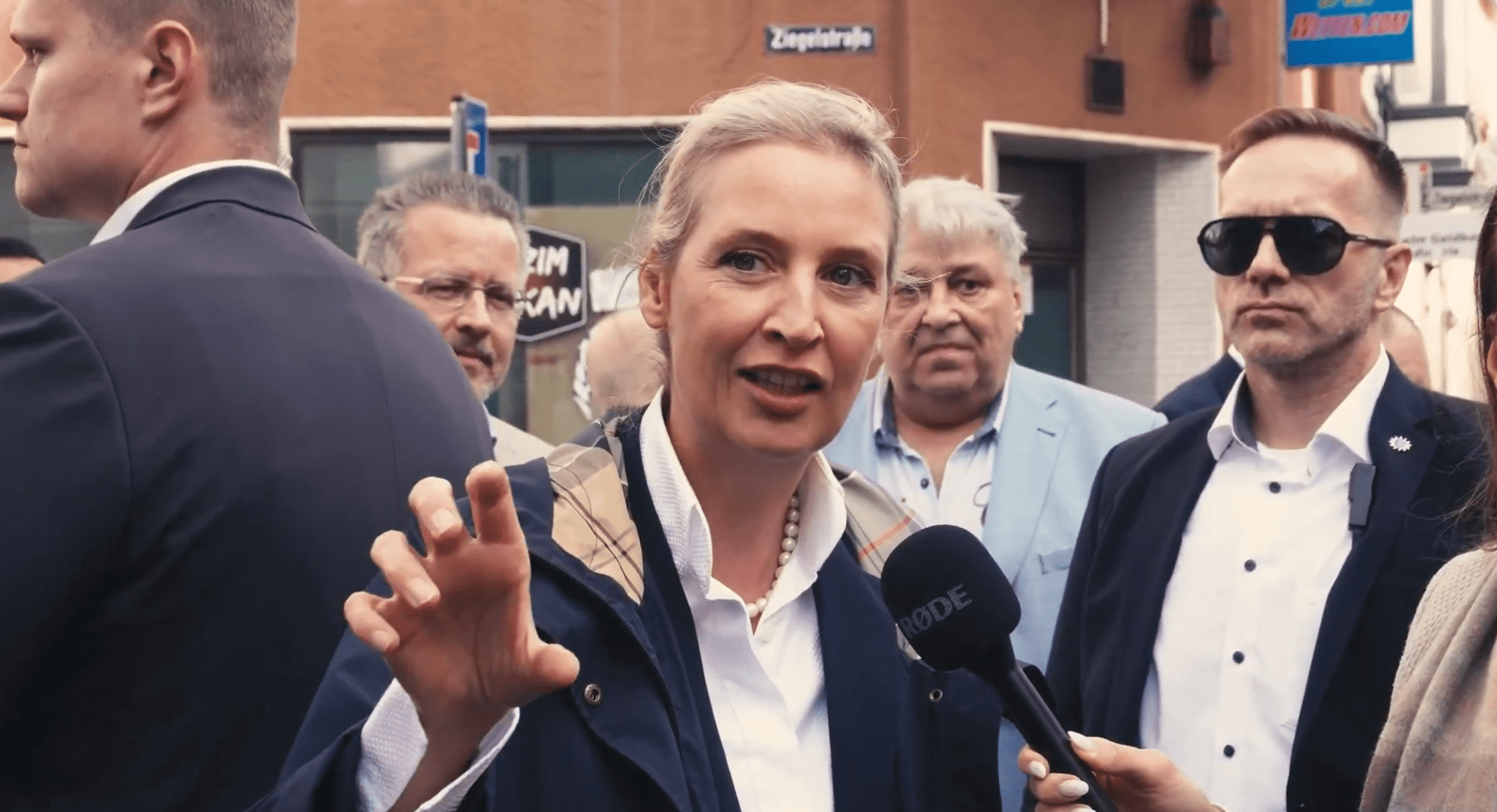
Last weekend, citizens of North Rhein-Westphalia headed to the polls for the first local election since 2020. As Germany’s immigration debate becomes increasingly polarised, the far-right Alternativ für Deutschland (AfD) is capitalising; amidst desperate calls to ban the party, their willingness to speak about the topics other politicians won’t touch is what makes them so dangerous.
Votes tripled
The AfD received 16.8% of votes in the state in the federal election last February, and just 5% in 2020’s local state election. This number has now almost tripled, with preliminary results showing the far-right party received 14.5% of votes.
This puts them in third place after the CDU (Christian Democratic Union) and SDP (Social Democratic Party).
There were 20,000 seats to be decided, with voters choosing municipal, city, and district councils, as well as some mayor positions. North Rhein-Westphalia (NRW) is the state home to Germany’s fourth most populous city, Cologne.
Fairness agreement
Aside from the AfD, every significant party running in the NRW elections agreed not to focus on, or weaponize, potential negative aspects of immigration during their campaigns.
The ‘fairness agreement’, which is part of an initiative by the Cologne Round Table for Integration, states that “migrants and refugees must not be blamed for negative social developments such as unemployment or threats to internal security”.
The agreement was signed by the CDU, SPD, FDP, Greens and die Linke, among others, leaving the AfD the only party able or willing to criticise immigration policy.
This is perhaps the greatest gift they could have received, as it only amplified their anti-immigrant, pro-‘free speech’ stances.
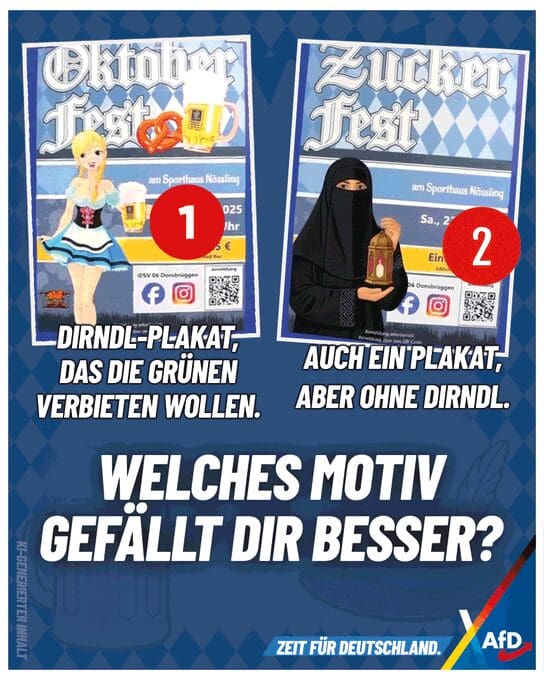
Closing the doors on open discussion and debate about one of the most pressing, divisive issues in contemporary Europe will only benefit the far-right.
‘We can do this’
2025 marks ten years since Angela Merkel’s pivotal ‘Wir schaffen das’ speech, which she made during the 2015 migrant crisis. The phrase – which translates to ‘we can do this’ – has come to epitomise Germany’s largely welcoming and optimistic attitude towards mass immigration.
It was a turning point for the nation’s post-WWII reputation, and Merkel’s policies were largely portrayed as a success story in the German media.
Since the peak of Germany’s ‘welcoming culture’ in the mid 2010s, the immigration debate has soured considerably.
In Germany’s 2025 federal elections, the AfD received 20.8% of votes, making them the second most popular party after the CDU.
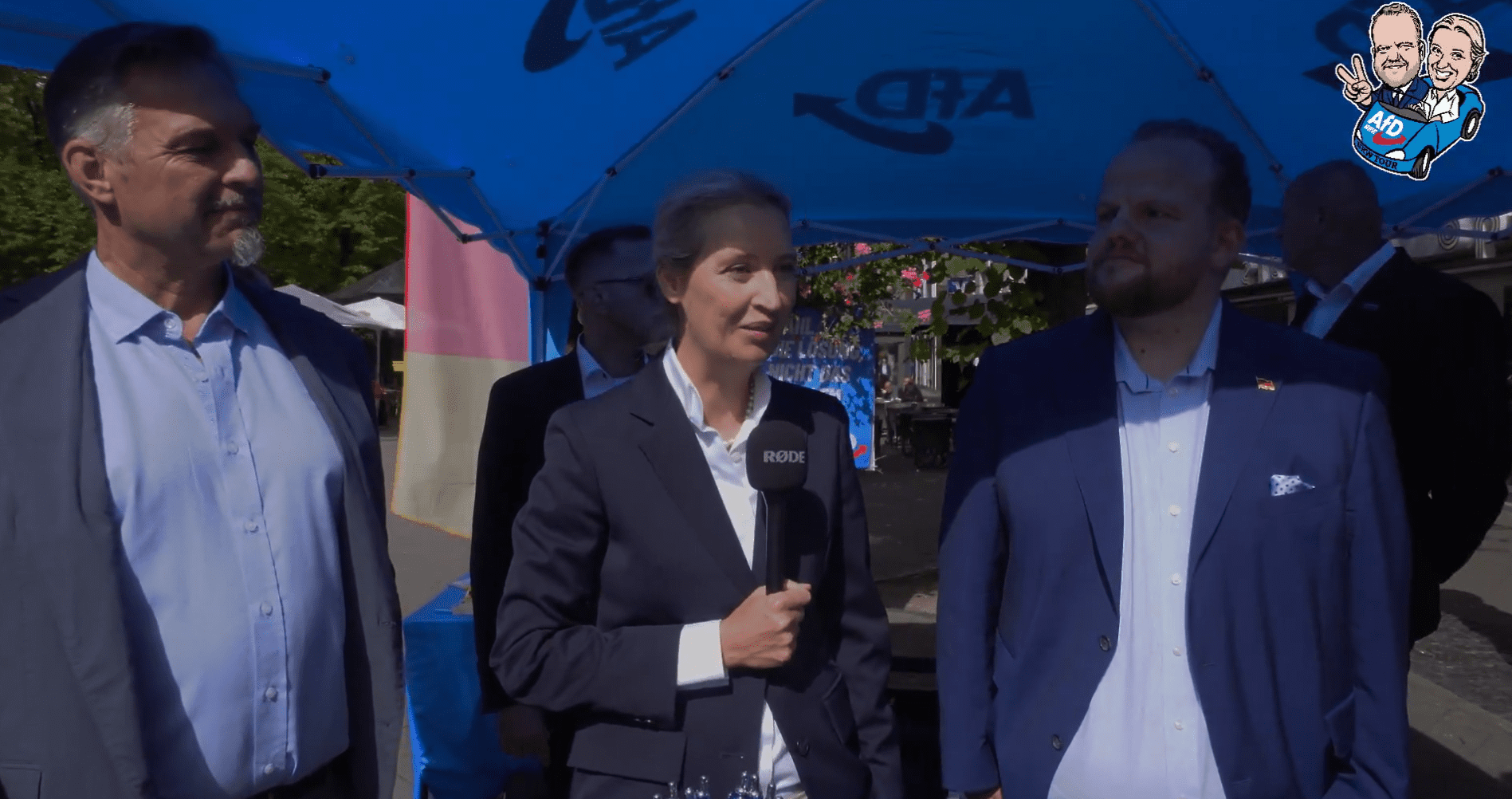
Anti-immigration is their most prominent stance, and they have gone so far as promoting ‘remigration’, or the mass deportation of those with migrant backgrounds (some definitions of this term include German citizens and legal residents).
Extremist label
The German political establishment has tried to rid themselves of the AfD problem via various bureaucratic channels, all of which have been so far unsuccessful.
There was a ‘Brandmauer’ or ‘firewall’ in place; an agreement amongst other parties to not collaborate or work with the AfD. This was broken last January, when a CDU motion for stricter immigration laws was passed with the aid of the AfD.
They have been classified as extremist by the Verfassungsschutz (Federal Office for Protection of the Constitution), who stated that “The ethnicity- and ancestry-based understanding of the people prevailing withion the party is incompatible with the free democratic order.”
Despite this label, AfD politicians have been allowed to retain their seats in the Bundestag.
The party has also received over half of all administrative fines since 2017, many of which pertain to the acceptance of illegal donations. Their fines reportedly total 1.1milllion Euros.
Seven candidates dead
In the run up to the North-Rhein Westphalian elections, sixteen candidates running for seats died, seven of whom were representing the AfD. Four of these deaths occurred within a time frame of 13 days.
Online conspiracists have cried foul play, suggesting it is a deliberate attempt to silence the AfD. Tommy Robinson weighed in, saying “WTF is going on here?” on X, to which Elon Musk – an outspoken AfD supporter – responded ‘Weird’.
Party leader Alice Weidel has also reposted a claim made by a retired economics professor Stefan Homberg that the deaths were ‘statistically impossible’.
Some of the candidates had pre-existing health conditions, and, according to a spokesman for the local election commission, the number of deaths is ‘not significantly higher thatn in previous elections.
Online conspiracies
These online conspiracies and perceived attacks on free speech are assisting a typical far-right narrative – that the German political centre is so terrified they will use any means necessary to destroy the AfD.
Open discussion across the political spectrum is needed in order to dispel their claims, be it regarding other parties, censorship, or immigration.
Parties like the AfD will continue to stay relevant so long as these debates rage on, and their ideology will respawn into endless manifestations unless its core arguments are unpicked and addressed.
This process will be uncomfortable for the political establishment across Europe, but not doing so will have far worse ramifications.