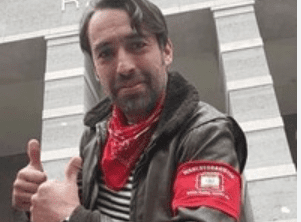
A member of the neo‑Nazi Blood & Honour till it was banned has become the subject of a nationwide manhunt in Germany after fleeing the country while attempting to register a gender change for the second time.
For many in Germany, the name Sven “Marla‑Svenja” Liebich is synonymous with the country’s post‑1990s neo‑nazi subculture.
His story begins with one of the most notorious extremist networks in Europe: Blood & Honour, the transnational neo‑nazi organisation banned in Germany in 2000 for its role in promoting racist violence and supporting underground terror cells.
Formed in the UK
Blood & Honour was originally formed in the UK in 1987 by Ian Stuart Donaldson, a prominent nazi and singer in the neo-nazi band, Skrewdriver and has been at the forefront of the white power, neo-nazi music scene. It also supported underground neo-nazi terror cells and has been banned in Germany since 2000.
Liebich, now 54, emerged from this milieu as a street‑level propagandist and provocateur. He first gained prominence in the 1990s as part of Blood & Honour’s eastern German chapter.
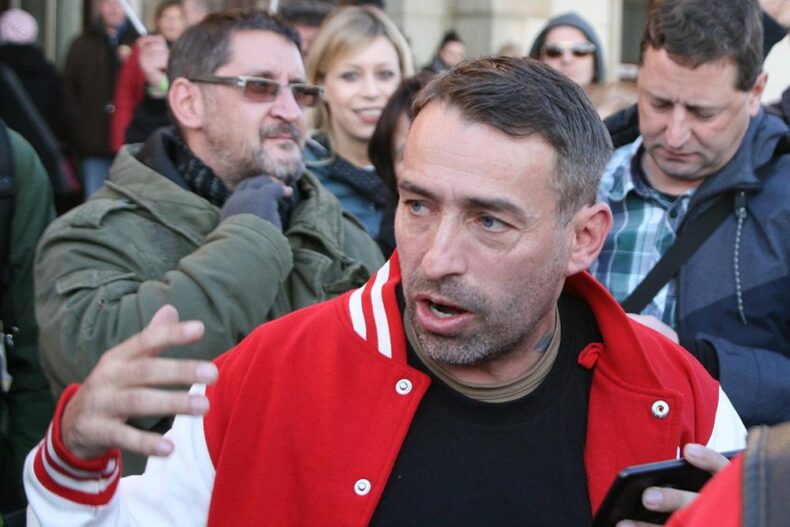
Although the group was outlawed, many of its members, Liebich amongst them, continued to operate through successor organisations, merchandise businesses, and public demonstrations.
Serial agitator
Over the years, Liebich built a reputation as a serial agitator, staging confrontational street actions, harassing political opponents, and using merchandise stalls to spread far‑right propaganda.
His long criminal record reflects this pattern, with repeated convictions for incitement, insult, and hate‑motivated offences.
Gender change
In July 2023, Liebich was sentenced to 18 months in prison for incitement to hatred and related offences, including selling baseball bats engraved with the phrase “deportation helpers”.
After losing all his appeals, Liebich turned to Germany’s new Self‑Determination Act, which allows adults to change their legal gender through a simple declaration.
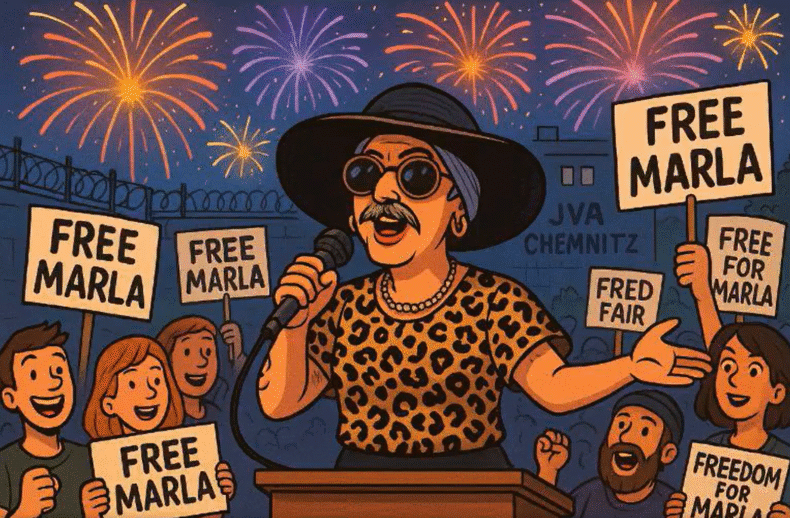
In early 2025, Liebich registered as female, a move widely interpreted as a political stunt designed to mock the law and challenge the authorities to place a known neo‑nazi in a women’s prison.
The decision triggered a national debate, with conservative politicians warning that extremists could exploit the legislation to make fools of the judiciary.
Fled Germany
Liebich was due to report to Chemnitz women’s prison on 29 August. Instead, he posted an image reading “Love from Moscow”, sent supporters an audio message claiming to have fled the country, and vanished.
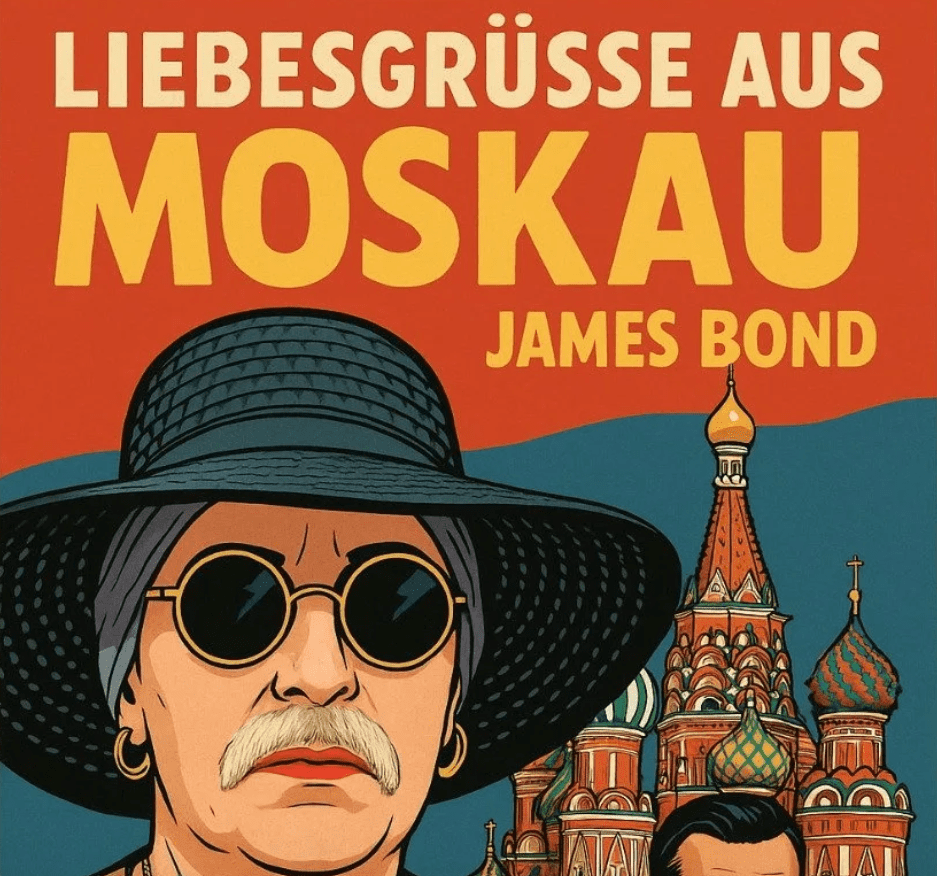
German police issued an arrest warrant, while Liebich circulated AI‑generated images purporting to show Moscow in the background.
Now believed to be abroad, Liebich has attempted to file yet another legal gender change, this time seeking to return to male status or adopt a non‑binary category.
He claims to be experiencing an “identity crisis” and says his female identity has been “ruined” by media scrutiny.
Non-appearance
Registry officials have refused to process the application without an in‑person appearance, something Liebich has repeatedly avoided.
The case has also caused friction within Germany’s Jewish community. Liebich, who once disrupted a Pride parade while calling participants “parasites on society”, has claimed to have converted to Judaism and demanded kosher meals in prison.
Pattern of provocation
Germany’s antisemitism commissioner condemned the claim as a mockery of Jewish religious practice, describing it as part of a long‑standing pattern of provocation.
Liebich’s current whereabouts remain unknown. It is been reported, however, that a European arrest warrant may now be active across the Schengen area, though this has not been independently confirmed.