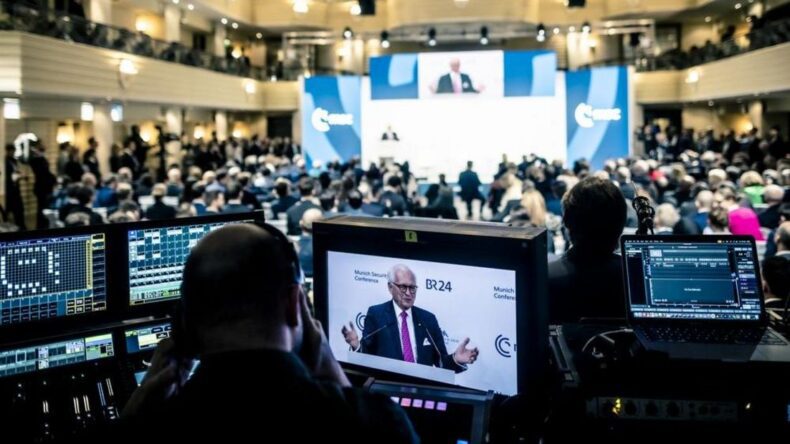
The Munich Security Conference is known for its carefully managed setting. Each February, political leaders, diplomats and military officials gather in a central Munich hotel to discuss global security issues. Informal exchanges alongside formal panels often shape strategic debates that continue throughout the year.
Against that backdrop, the MSC’s recent decision to invite MPs from Germany’s far-right Alternative für Deutschland (AfD) has prompted unease.
Close to Moscow
The move comes at a time when prominent AfD figures are under scrutiny for actions and contacts that point to an unusually close relationship with Moscow.
Concerns extend beyond the party’s rhetoric. In recent years, a number of AfD politicians have travelled to Russia at moments when mainstream German parties were urging diplomatic distance and tighter sanctions.
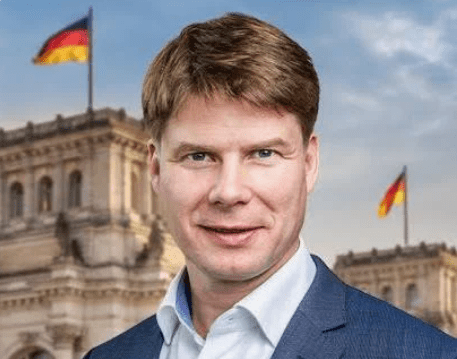
Two Bundestag MPs, Steffen Kotré and Rainer Rothfuß, drew particular attention when they made a trip to Sochi to attend a BRICS-related summit hosted by Russia last November.
Also attending were Jörg Urban, a member of the Saxony regional parliament, and Euro MP Hans Neuhoff. Several other AfD representatives participated virtually.
Far-right events
Former Russian President Dmitry Medvedev, now vice president of the Security Council of the Russian Federation was a main speaker.
Kotré has also appeared at far-right events elsewhere in Europe, including speaking at the Traditional Britain Group conference in London last October.
The visit was announced as German authorities were investigating whether some AfD members had sought or handled information that could be of interest to Russian intelligence.
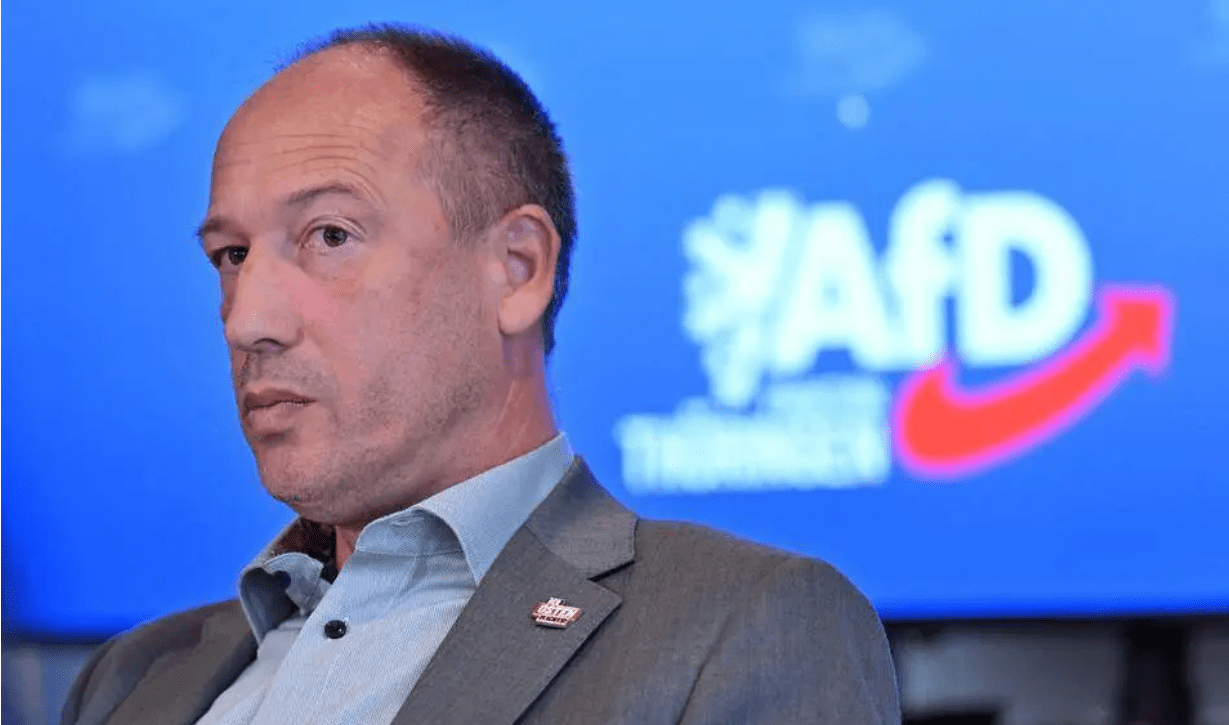
Ringo Mühlmann, an AfD lawmaker in the Thuringian state parliament, repeatedly submitted parliamentary requests seeking detailed information about drone-defence systems and Western arms deliveries to Ukraine.
Regional authorities warned that the material could be of “great interest” to Russia. Mühlmann said he was merely exercising his rights as an elected representative, but critics described a pattern of inquiries closely aligned with Moscow’s strategic priorities.
International criticism
In 2018, Bundestag MP Stefan Keuter travelled to Russia at the invitation of the Kremlin to serve as an election observer, describing voting in Kazan as “free, equal and secret” despite widespread international criticism of the process.
Gunnar Lindemann, an AfD member of Berlin’s state parliament, has made repeated visits to Russian-backed separatist areas in Donetsk and Luhansk, met members of the pro-Kremlin Night Wolves motorcycle club, and accepted a medal from separatist authorities.
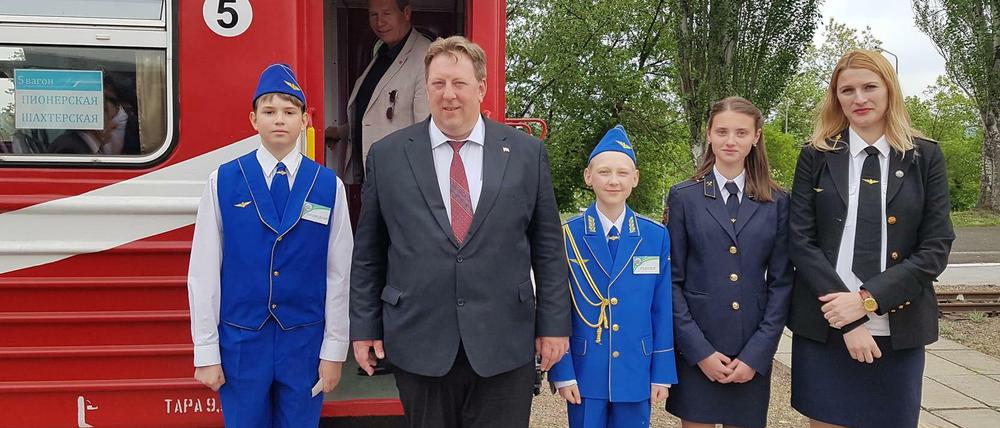
He has now been barred from entering Ukraine for three years due to his repeated travel to contested regions.
Lindemann is a prolific poster of pro-Russian material on social media, even material in Russian, which he does not speak. He is a go-to German voice for Russian media covering Ukraine.
After the invasion
These trips have continued since Russia’s full-scale invasion of Ukraine. In September 2022, regional MPs Hans-Thomas Tillschneider and Daniel Wald from Saxony-Anhalt, along with Christian Blex from North Rhine-Westphalia, travelled to Russia and tried to visit occupied eastern Ukraine, a move eventually blocked by the AfD’s national leadership.
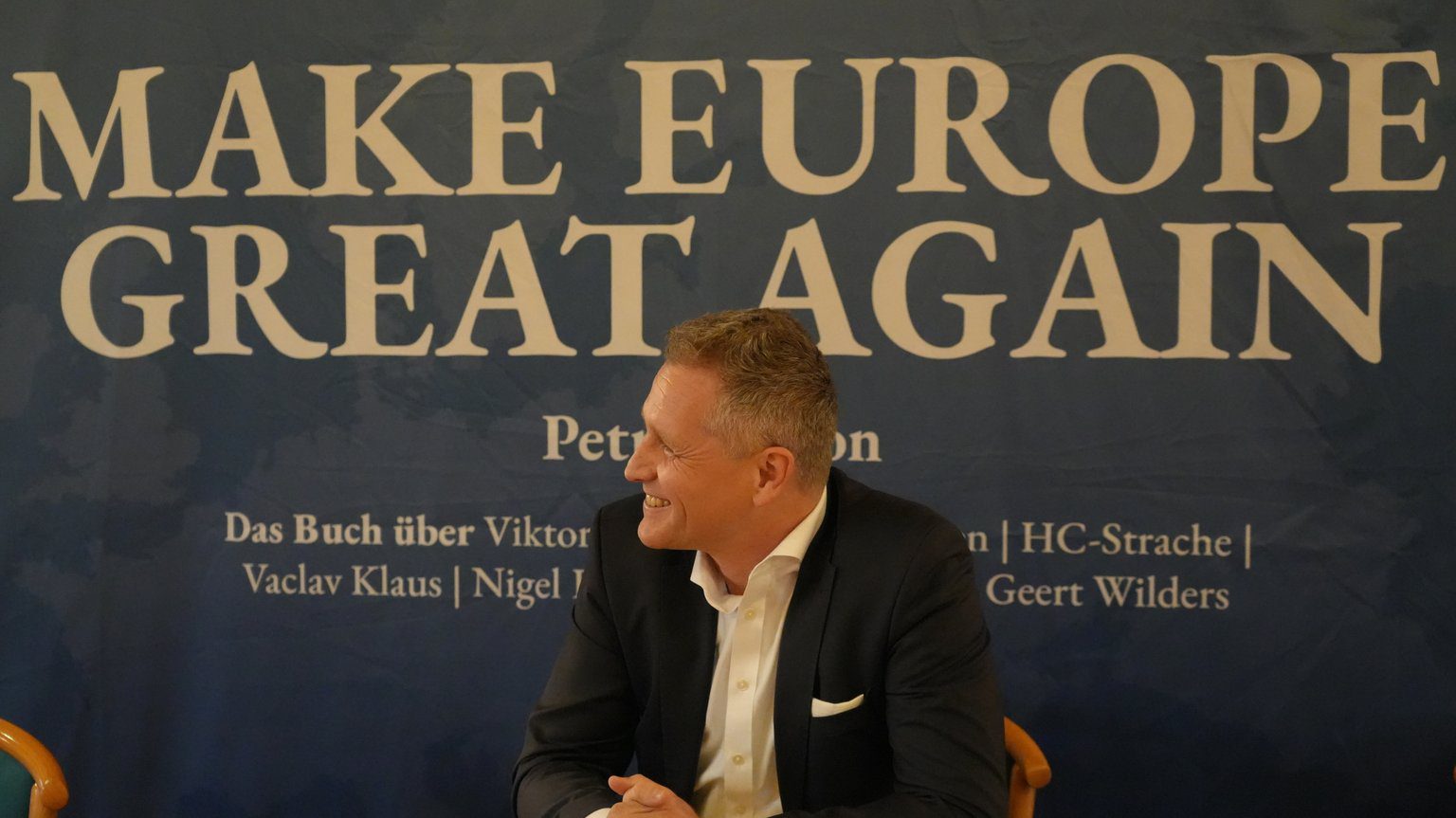
Bundestag MP Petr Bystron made a secret trip to Belarus in November 2022, while fellow MP Matthias Moosdorf attended an economic conference in St Petersburg. Tillschneider returned to Moscow again in August 2023.
Kremlin narratives
Senior AfD figures have long portrayed Russia as a misunderstood partner rather than a strategic threat, echoing Kremlin narratives on NATO expansion, Western “provocation” and Crimea. Such positions date back to the party’s early years, when leading voices openly expressed sympathy for Moscow’s annexation of the peninsula and called for a special relationship with Russia.
It is against this backdrop that the MSC’s decision to reinvite AfD MPs has taken on sharper significance. The conference bills itself as the West’s premier forum for confronting geopolitical threats. This year, it will do so while hosting representatives of a party whose members have, at times, appeared unusually comfortable in Moscow’s orbit.