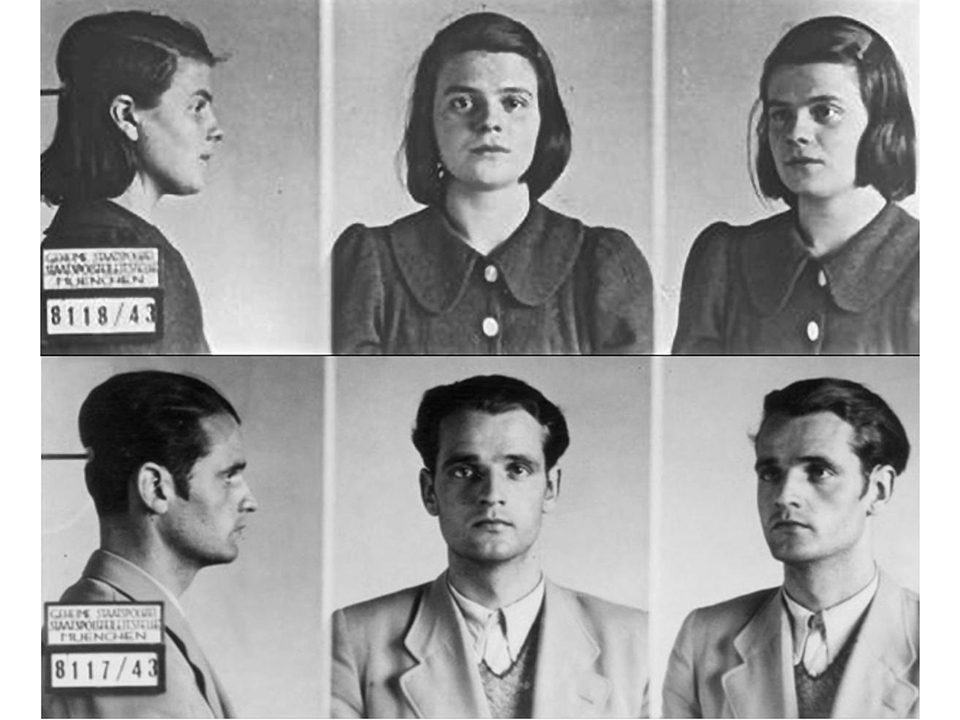
Eighty‑three years after their execution in Munich’s Stadelheim Prison, Sophie Scholl, her brother Hans, and their fellow White Rose resisters to Hitler remain among the most luminous figures in the history of anti‑fascism.
Their lives were brief, their organisation small, and their resources meagre, yet their moral clarity and quiet courage continue to cut through the fog of hindsight with unnerving sharpness.
Indictment of nazism
The White Rose’s leaflets – typed at night, duplicated by hand, and distributed across university halls and city streets – were a direct indictment of Nazism at a time when such words were a death sentence.
They denounced the mass murder of Jews, the destruction of European culture, and the moral collapse of a nation that had surrendered itself to Hitler’s will.
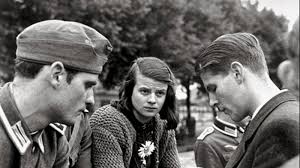
Their appeal was not to ideology but to conscience: a call for Germans to reclaim responsibility for the crimes committed in their name.
Sophie, just 21 when she was killed on this day in 1943, has become the movement’s most recognisable face. Her final days, marked by unflinching composure in the face of the People’s Court, have been mythologised for good reason.
Refused to recant
She refused to betray her comrades, refused to recant, and refused to grant the regime the satisfaction of fear.
“Such a fine, sunny day,” she reportedly said before her execution, “and I have to go.”
It remains one of the most haunting lines in the literature of anti-fascist resistance.

The White Rose were few, but they were enough to prove that even in the darkest years of the Third Reich, resistance still breathed.
And they continue to inspire today.
No Pasaran!