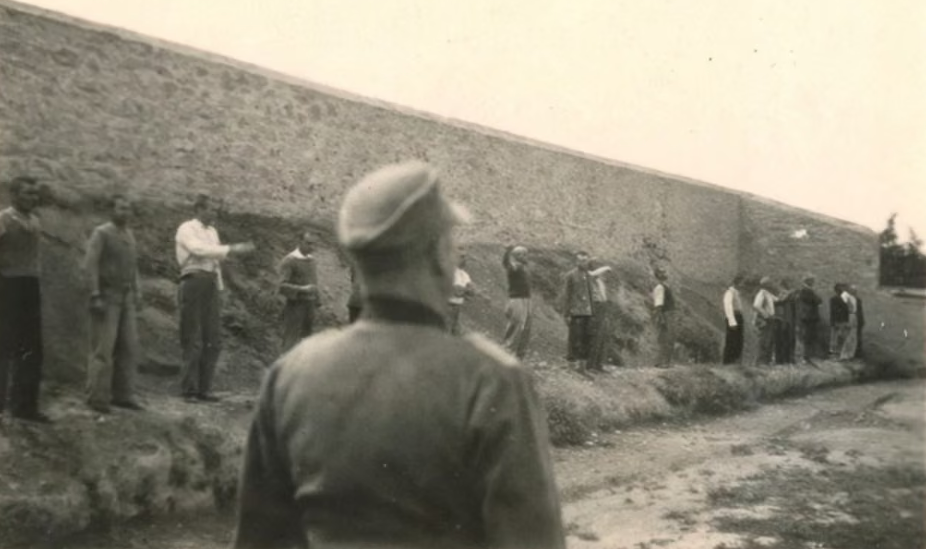
The Greek state has launched an urgent effort to recover a set of long‑lost photographs depicting one of the most searing atrocities of the Nazi occupation: the execution of 200 communist political prisoners at the Kaisariani shooting range in Athens on 1 May 1944.
The images, unseen for more than eight decades, surfaced this month when a Belgian collector placed them for sale on eBay, prompting national outrage and a rapid intervention by the Greek Ministry of Culture, which said it had reached an agreement with the seller to buy the photos and that he had withdrawn them from sale.
Marched to execution
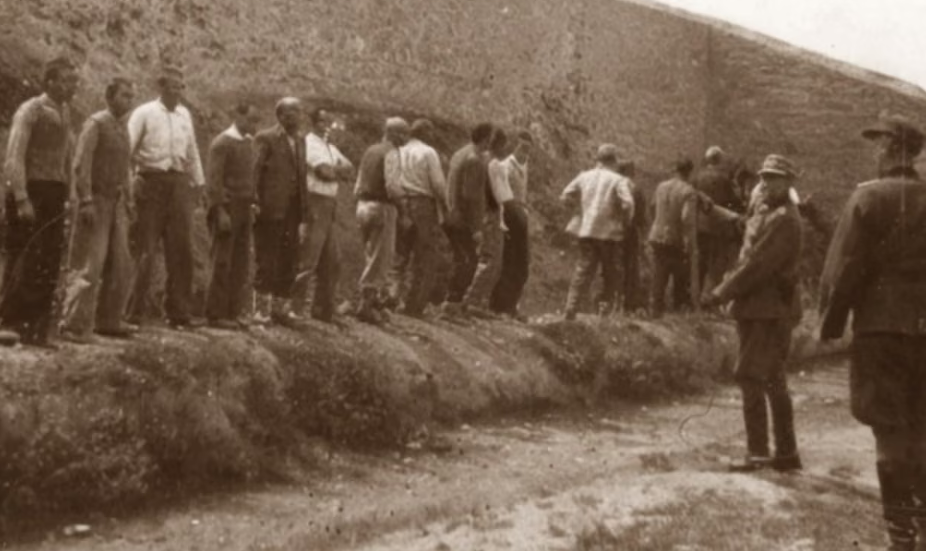
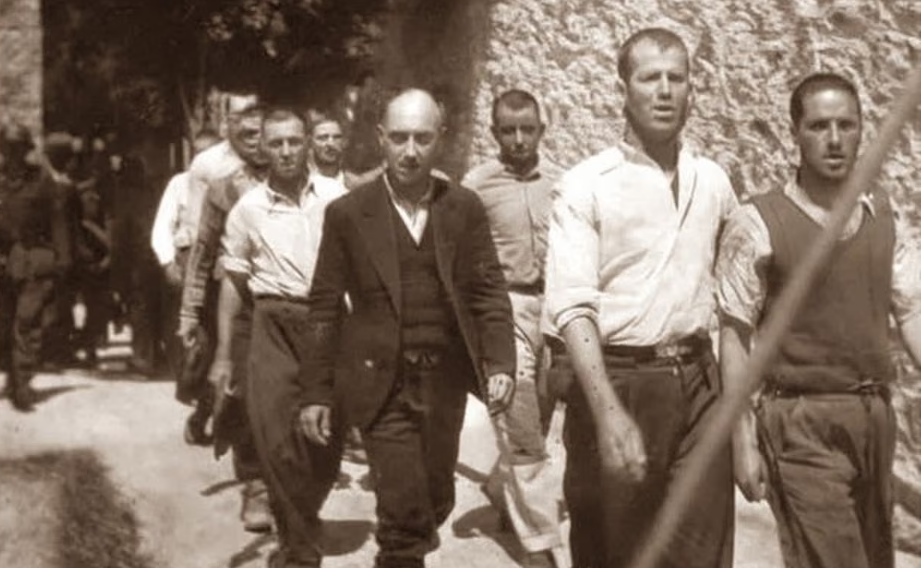
The twelve black‑and‑white photographs show the prisoners being marched two‑by‑two through the gates of the shooting range, heads held high, some looking directly into the camera.
Until now, the massacre has been documented only through testimony, memorials and cultural memory; no visual record was known to exist.
According to contemporary reports, they faced death with partisan songs in a final act of resistance and defiance.
“That is what we have always heard,” said Vangelis Sakkatos, who for years has campaigned for a monument to be erected in their honour. “And now we can see that courage before our eyes.”
Their sudden appearance online – with bids exceeding £1,500 before the listing was removed – triggered a wave of anger across Greece, with politicians, historians and survivors’ families condemning the commodification of what many consider sacred evidence of national suffering.
Culture Minister Lina Mendoni confirmed that Greek experts travelled to Belgium to authenticate the photographs, believed to be part of a larger collection taken by Wehrmacht lieutenant Hermann Heuer during his posting in Greece in 1943–44.
Not erased
The Ministry has described the images as “extremely important documents of modern Greek history” and is now negotiating their acquisition.
Officials have also acknowledged the legal complexities of securing the photos, including questions of provenance and heritage classification, but insist that “historical memory will not be erased”.
The Kaisariani executions were carried out in retaliation for a partisan ambush that killed German General Franz Krech days earlier. Many of the 200 victims had already spent years in prison under the Metaxas dictatorship before being handed to the occupying forces.
Resisitance and sacrifice
Their deaths became a defining symbol of resistance and sacrifice, commemorated in songs, poems and political memory throughout the post‑war decades.
The newly surfaced photographs, historians say, offer an unprecedented visual dimension to an atrocity deeply embedded in Greece’s collective consciousness.
The discovery has also reignited tensions around the politics of memory. Within days of the eBay listing, vandals smashed plaques at the Kaisariani memorial bearing the names of the executed, an act widely condemned by local officials and historians.
Identifying the dead
The municipality pledged immediate repairs, stating that the attack only strengthened its commitment to preserving the site and honouring the dead.
Meanwhile, efforts to identify individuals in the photographs have already begun.
Researchers and relatives have tentatively recognised at least two of the men, including Thrasyvoulos Kalafatakis, a Cretan political activist who refused to renounce his beliefs despite years of imprisonment and torture.
His grandson confirmed the identification after consulting a surviving witness, describing Kalafatakis as “a giant of a man… without a trace of fear as he walks toward the wall”.
Permanent preservation
If successfully repatriated, the photographs will be housed in the Hellenic Parliament, ensuring public access and permanent preservation.
For Greece, their return would represent not only the recovery of historical evidence but a reaffirmation of the country’s determination to confront, document and resist the erasure of fascist violence.