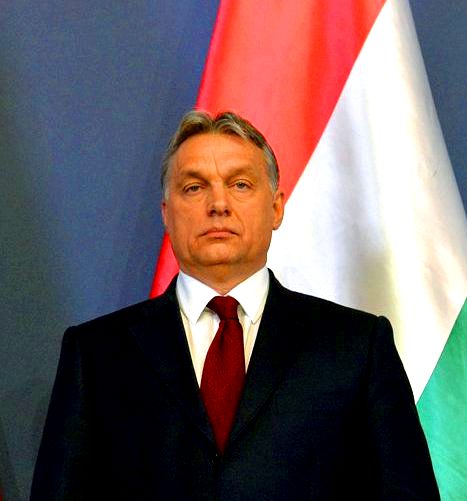
Russian intelligence does not do subtlety. It does, however, do audacity, and an internal document obtained by the Washington Post reveals just how far the Kremlin is willing to go to protect its most valuable European asset: far-right Hungarian Prime Minister Viktor Orbán.
The document, originating from Russia’s foreign intelligence service and apparently verified by a European intelligence agency, outlines a proposal to stage a fake assassination attempt on Orbán ahead of Hungary’s forthcoming election.

The plan even had a name: The Gamechanger. Its inspiration? The July 2024 shooting at a Donald Trump rally in Pennsylvania, an event that generated iconic imagery, a surge in polls, and an international wave of sympathy for the former president.
The timing is telling. Orbán, who has governed Hungary with an iron grip since 2010, is for the first time trailing in the polls.
Anti-corruption conservative
His challenger is Peter Magyar, a conservative anti-corruption candidate who has succeeded in making Hungary’s deteriorating economy the central issue of the campaign. Russian intelligence operatives identified this as the problem their plan was designed to solve.

A staged attack, they reasoned, would yank the election “out of the rational realm of socioeconomic questions into an emotional one”, replacing domestic anxieties with demands for national security and stability.
No attack has taken place. But the very existence of the proposal strips away any remaining pretence that Russia’s relationship with Europe’s far right is one of mere ideological sympathy.
Operational support
This is active operational support. The Kremlin is not simply cheering on its preferred politicians from the sidelines; it is drawing up contingency plans to keep them in power when democratic inconveniences such as voters, opponents and reality, threaten to intervene.
For readers of Searchlight, this will come as no surprise. For years we have documented the financial, propagandistic and political threads connecting Moscow to far-right movements across Europe.
Routine interference
What this document provides is something rarer: a glimpse inside the machinery itself, written in the bureaucratic language of an intelligence service that treats election interference as routine administrative work.
The question now is what the Kremlin might try next, because this document confirms that it is always up for trying something.