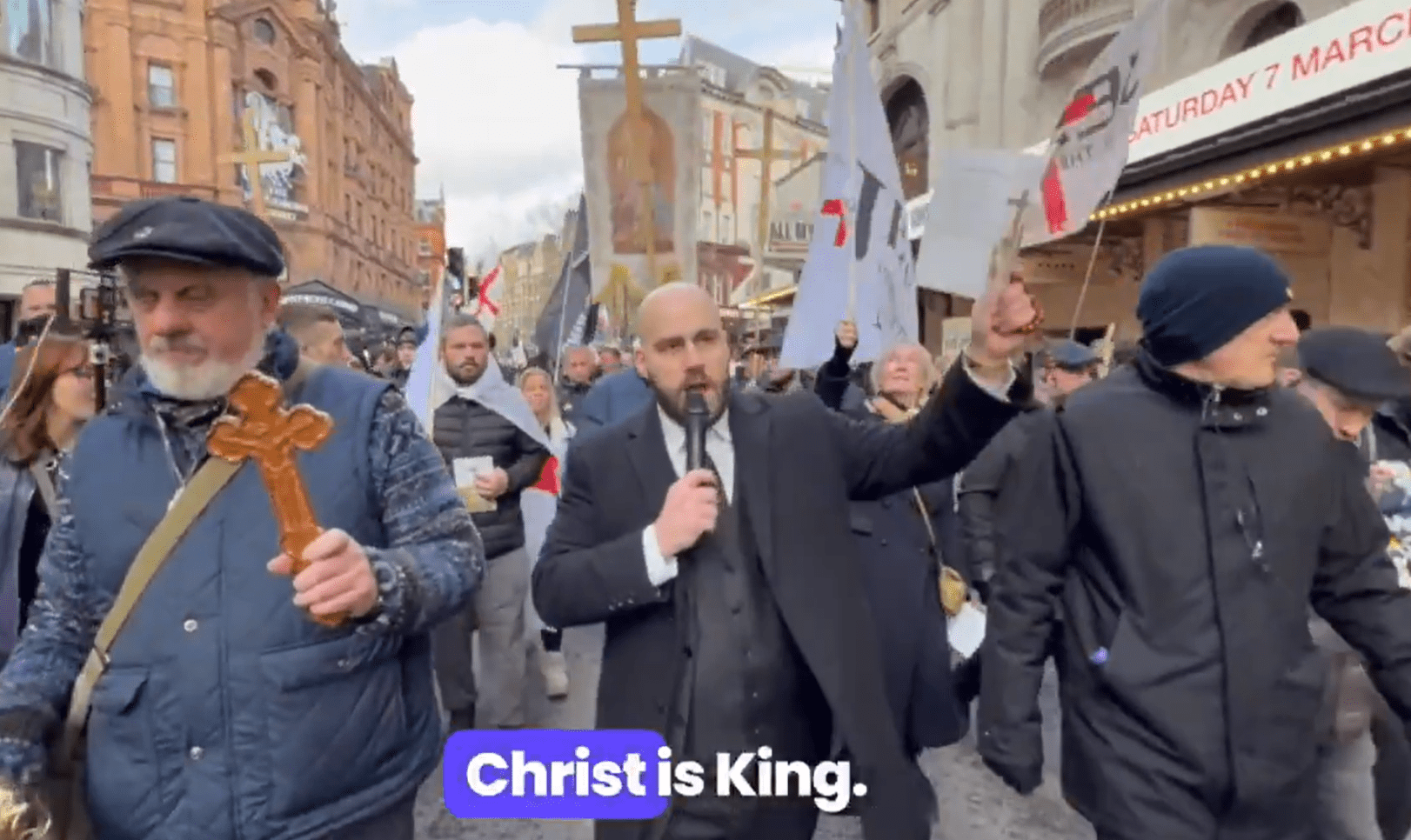
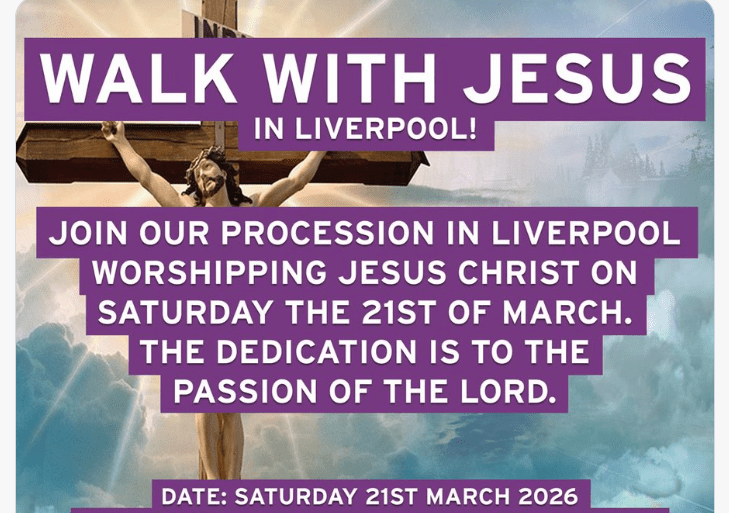
This Saturday, the streets of Liverpool are set to witness a deeply polarizing spectacle. Nick Tenconi, the leader of UKIP, is scheduled to hold a “Walk for Jesus” in the city, assembling on the precincts of the Catholic Metropolitan Cathedral.
The supposed aim is to “stand for Christ in Liverpool during Lent”, as if every local church is not already doing just that.
While the title suggests a peaceful gathering of faith, the event has been met with widespread condemnation from the very people it purports to represent: the city’s Christians.
The “walk” has ignited a debate, forcing a crucial question into the spotlight: how can a political leader whose micro party has become a magnet for violent thugs, neo-Nazis, and racists, claim to be a standard-bearer for a religion built on the teachings of a Middle Eastern refugee who preached unconditional love, tolerance, and peace?
The last time UKIP marched in Liverpool, only last August, the chants were not ‘Christ is King’ but ‘Send the back’. This indicates not only what truly lies beneath the new facade, but just how fake and opportunistic Tenconi’s ‘turn to Christ’ has been.
Horrified
Liverpool’s Metropolitan Cathedral is horrified that Tenconi is hoping to assemble his gang of thugs on or nearby its hallowed ground. The Dean of the cathedral issued an unequivocal statement:
“We wish to make it clear that the Cathedral has not given permission for this to take place on our piazza nor have the organisers consulted the Cathedral in relation to this.
“We wish to make it clear that we are strongly opposed to the Cathedral being used by any organisation for partisan political activity giving the impression that this is done in our name or ‘the Christian community on Merseyside’.
“Our worshipping community consists of people of every nationality and we welcome all to the Church…
“There is no place for prejudice, racism or bigotry towards others. We pray that these truths will be recognised by all”.
Reverend Philip Major of the Liverpool Methodist District was also unequivocal in his condemnation. He stated that using Jesus’ name in such a context was “despicable” and stressed that the march does not represent the views of mainstream Christians in the city.
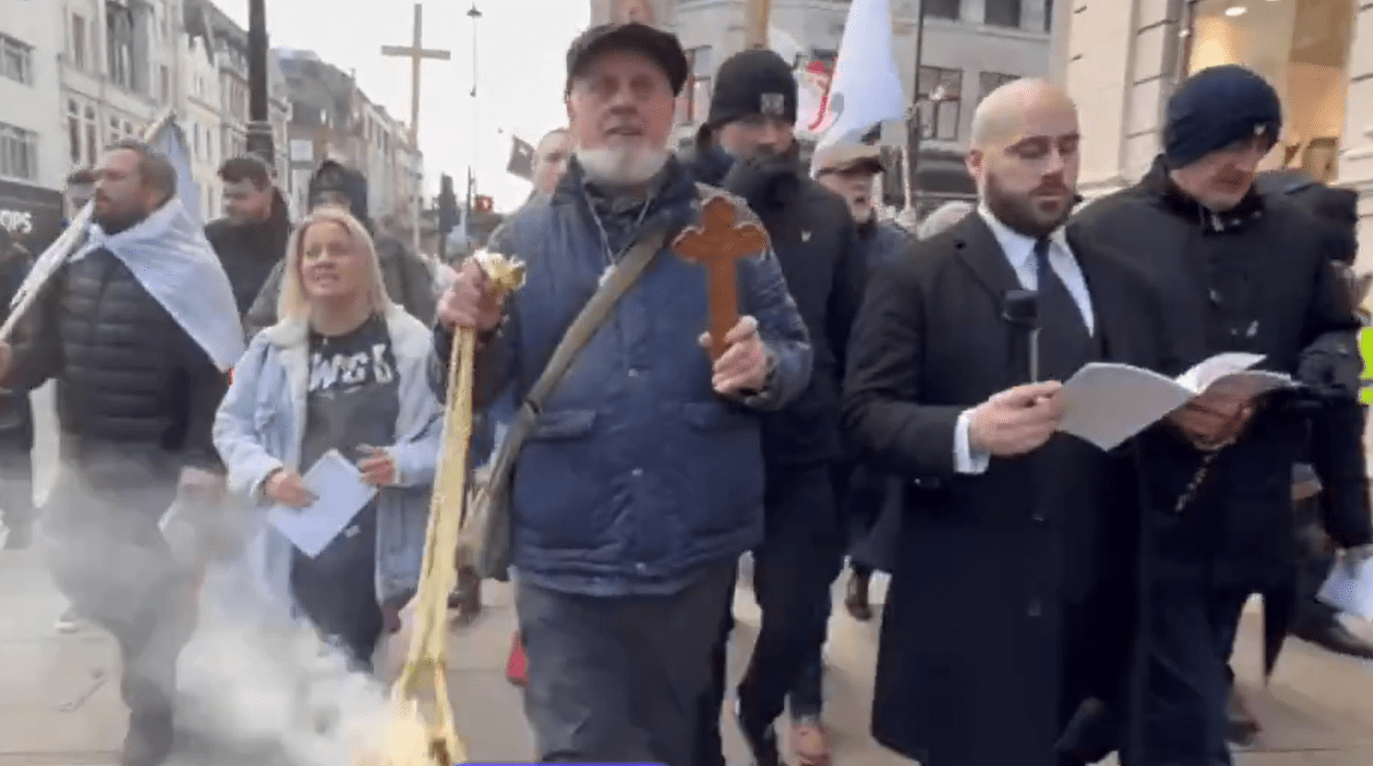
These sentiments echo a long-standing tension. For many believers, Tenconi’s UKIP and the racist rabble it attracts represents the antithesis of Christ’s message. Jesus’ ministry was defined by radical inclusion: he dined with tax collectors, spoke with Samaritans, and defended the adulterous woman from the mob.
Core tenets of the faith – loving thy neighbour, welcoming the stranger, and turning the other cheek- stand in stark contrast to the hostile, anti-immigrant rhetoric that has defined UKIP’s political strategy for years.
Toxic underbelly
UKIP has long entertained a toxic underbelly of extremism. Searchlight has witnessed many recent UKIP events where neo-nazis like Ryan Ferguson have rubbed shoulders with football hooligans, racist thugs and grifters like English Ned, Young Bob/Thomas Moffitt, James Harvey and Charlie Veitch.
Despite efforts to “rebrand,” the rot persists. Under Tenconi’s watch, the party continues to attract individuals whose ideologies are rooted in racial hatred rather than religious faith.
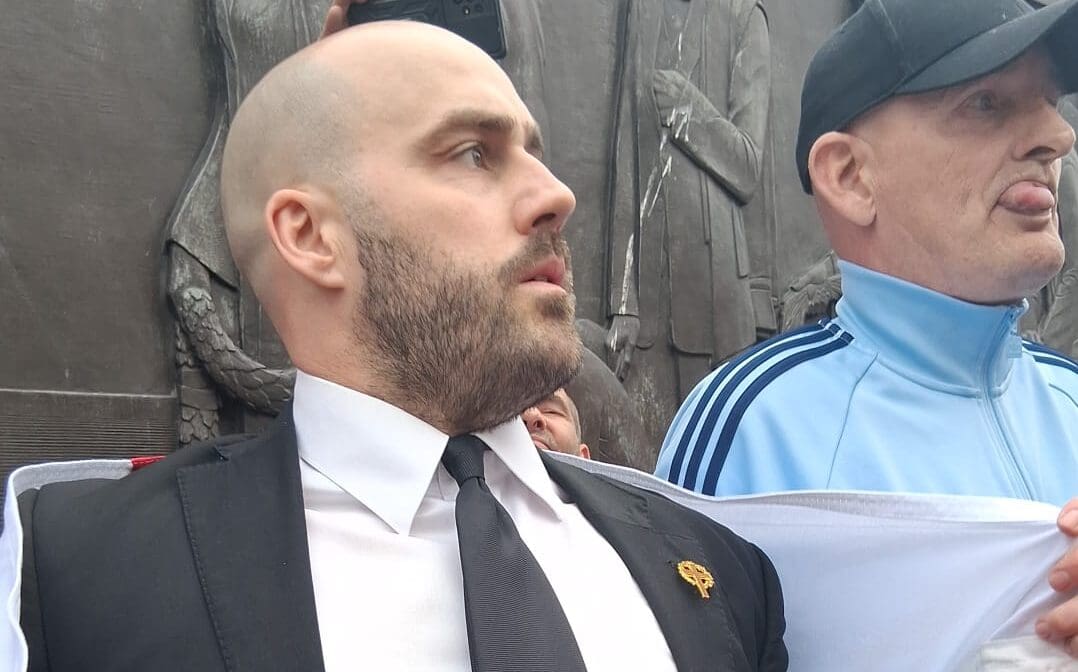
Tenconi’s “Walk for Jesus” is not an act of worship, but a weapon. It is an attempt to cloak a divisive political agenda in the holy vestments of Christianity, to claim a divine mandate for a platform that thrives on division.
The sight of UKIP marching for Jesus will be, for many Liverpudlians, an act of blasphemy.
No moral right
Liverpool is a city with a deep Catholic and Protestant heritage, but also a city defined by its solidarity, most recently shown in its overwhelming support for anti-war coalitions and its status as a official “City of Sanctuary” for refugees.
As Saturday approaches, one thing is clear: Nick Tenconi may have the legal right to walk down the street, but he has no moral right to claim he is doing so in the name of Liverpool’s Christians.
The local church leaders have spoken: they do not want his vile brand of “faith.”