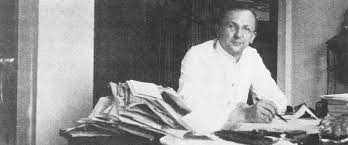
On this day in April 1942, a 58-year-old Dutch socialist went to his death by firing squad at the Leusderheide, near Amersfoort. He went singing the Internationale. His name was Hendricus “Henk” Sneevliet, and his execution by the Nazi occupiers of the Netherlands brought to an end one of the earliest and most dedicated resistance networks the occupation had faced.
Sneevliet already had a considerable political history by the time the Germans marched into Holland in May 1940.
A veteran trade unionist, former Comintern agent, and founder of his own Revolutionary Socialist Workers’ Party (RSAP), he had spent decades as one of the Dutch left’s most combative voices.
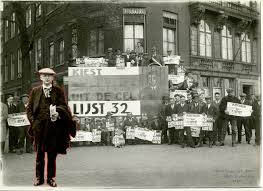
When the invasion came, he wasted no time. As other organisations hesitated or tried to maintain a legal façade, Sneevliet immediately dissolved the RSAP and began building an underground structure his party had, with remarkable foresight, already planned for in secret two years earlier.
First organised resistance
The result was the Marx-Lenin-Luxemburg Front (MLL-Front) co-founded with Willem Dolleman and Abraham Menist. It was one of the the first organised resistance movements in occupied Netherlands.
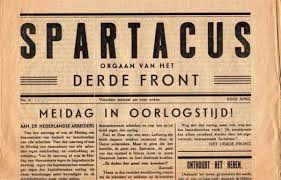
The front’s primary weapon was propaganda. Its clandestine newspaper Spartacus, named in homage to Rosa Luxemburg’s Spartacist movement, reached a print run of 5,000 copies and appeared fortnightly at a time when the total output of the Dutch underground press was estimated at around 55,000. That made Spartacus one of the most significant publications of its kind.
The MLL-Front did not limit itself to print. It was one of the few resistance groups to actively oppose Nazi antisemitic measures, and played a supporting role in the February Strike of 1941, the remarkable Amsterdam general strike called in protest at the persecution of the city’s Jews.
Firing squad
The front even attempted something most resistance groups considered unthinkable: reaching out directly to ordinary German soldiers opposed to the war, smuggling illegal publications across the border into Germany itself.
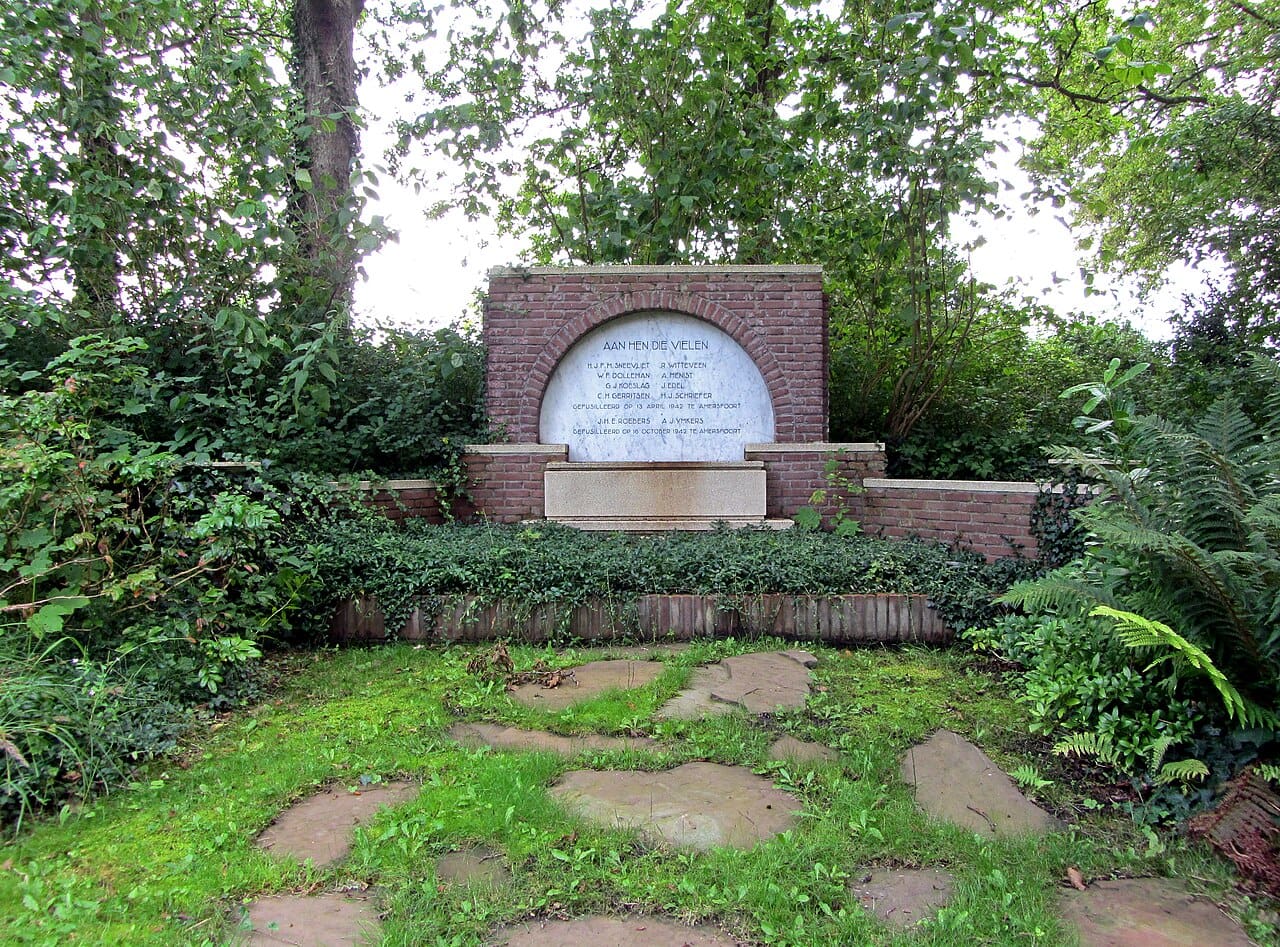
Betrayal brought it all down. In early 1942, a captured member was tortured into giving up names. Over the following weeks the leadership was picked off one by one. Sneevliet and six comrades were tried by a Nazi court in Amsterdam and executed by firing squad.
In 1946, Queen Wilhelmina wrote to his widow to pay tribute to a man who had given everything to free his country from Nazi occupation.