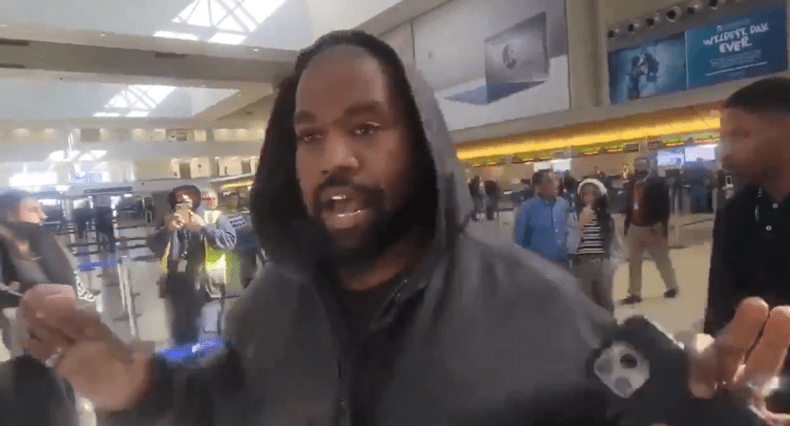
The Home Office decision to ban Kanye West from entering the UK to perform at Wireless Festival is the correct one. That conclusion, however, does not come easily to those of us who are instinctively wary of calling for cultural figures to be banned, even those who have caused genuine offence and harm.
Wireless, organised by Festival Republic and owned by the Beverly Hills-based Live Nation Entertainment, had invited West, who now promotes himself as “Ye”, to headline its three-day rap and R&B festival in Finsbury Park from 10 to 12 July.
Several sponsors, including Pepsi, withdrew.
Hatred of Jews
The case against his appearance was not difficult to make. West, a hugely important black cultural figure long before this controversy erupted, has recently used social media, interviews and his own music to promote hatred of Jews and admiration for the Third Reich.

During a 2022 interview with conspiracy theorist Alex Jones, he declared there was much he admired about Hitler. He released a track called “Heil Hitler”.
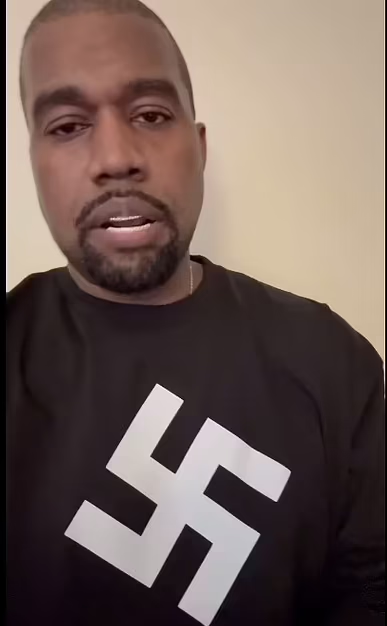
Last year he began selling swastika T-shirts online while posting on X: “I’m never apologising for my Jewish comments. I can say whatever the fuck I wanna say forever.” He retains an account on Elon Musk’s platform with nearly 31 million followers.
In recent months West has made a show of contrition. He published a full-page press apology, met privately with Rabbi Yoshiyahu Yosef Pinto, and has attributed his behaviour to his bipolar condition and a prolonged psychotic episode.
These claims deserve to be taken seriously, and not merely treated with scepticism about whether they are a calculated attempt to reboot a commercial empire that, by his own admission, has been shrinking year on year, not least following the loss of his Adidas sponsorship.
Searchlight, of all publications, should be the last to dismiss the significance of repentance and rehabilitation.
Where would we have been without the penitent former fascists who turned their backs on the far right and helped expose it from within? Ray Hill’s extraordinary work for us in the 1980s is one of the most dramatic cases in point.
Denunciation absent
We do not require people to be perfect before we acknowledge that they have changed. We do not demand lifelong penance as the price of re-entry to civil society.
But West is some distance yet from having earned that re-entry. His apologies, thus far, have been directed largely at Jewish institutions and rabbinical figures. What is conspicuously absent is any denunciation of those who have used his example as a warrant for their own behaviour.
When Nick Fuentes, Andrew Tate and their associates are filmed in nightclubs gleefully singing “Heil Hitler”, as if West had given them licence, the damage being done is measurable and ongoing.
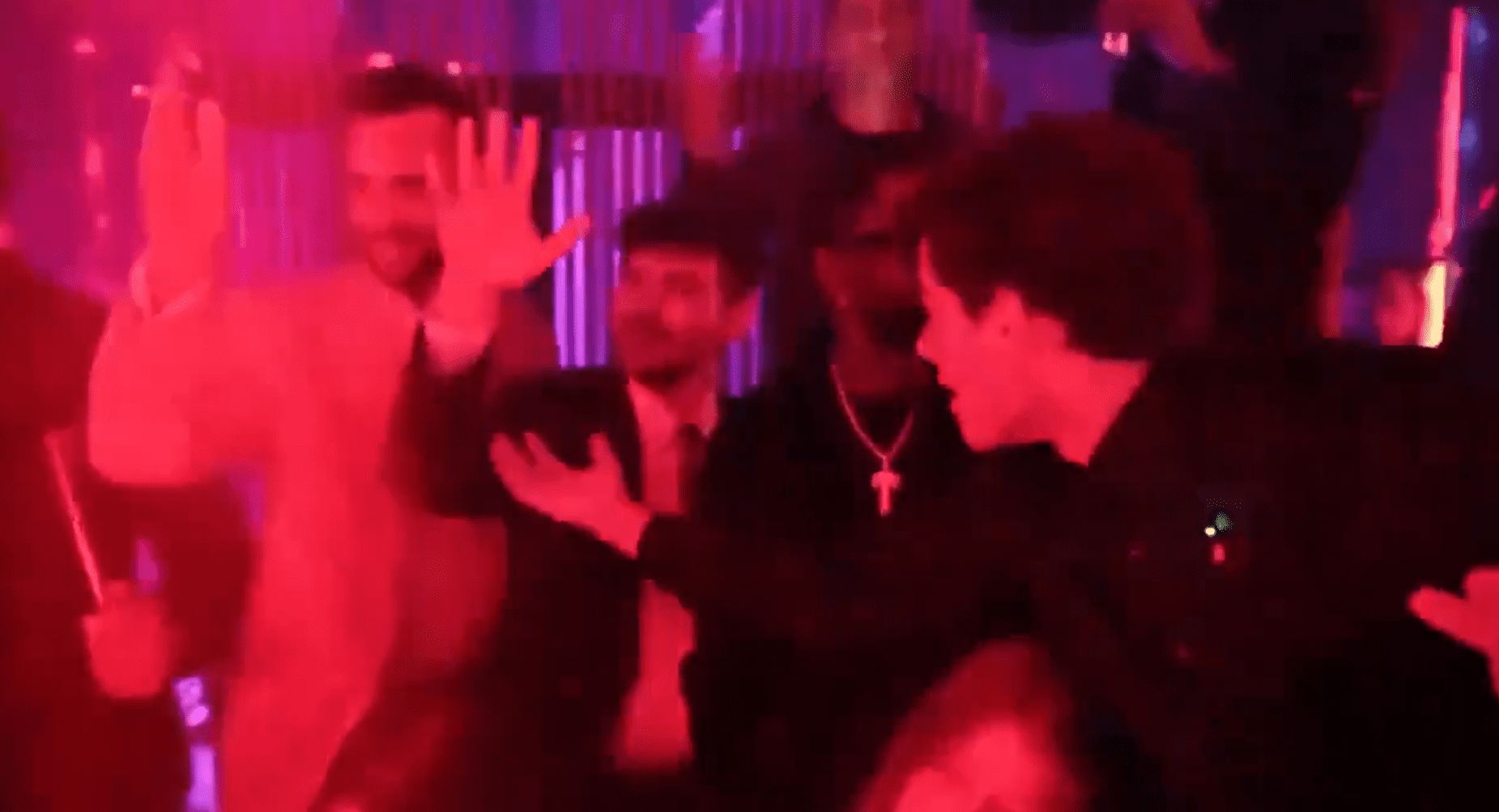
A man who claims profound remorse for the harm he has caused ought to be naming and condemning those who have taken his cue. The silence on that score is telling.
The Melvin Benn defence – Festival Republic’s UK-based chief executive has previously described himself as a “deeply committed anti-fascist”, though we haven’t noticed any contribution to the movement – deserves short shrift. Booking West was straightforwardly an attempt to monetise controversy, nothing less.
The road back
Kanye West can, in time, take the road back. But the distance still to travel is considerable. Acknowledgment of personal wrongdoing is a beginning, not an end.
The next steps are his to take: a clear and public repudiation of the figures who have marched under the banner he raised.
Until then, the Wireless ban stands not as a permanent verdict on a man’s character, but as a reasonable judgment on where things currently stand.