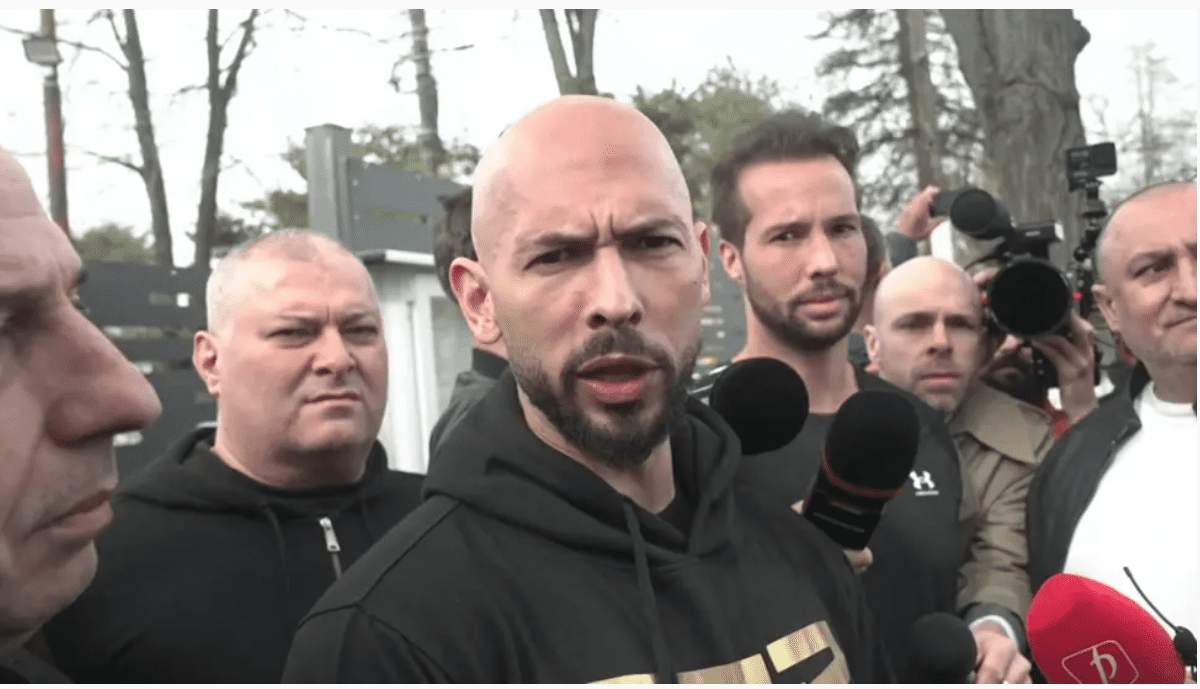
A Romanian court has lifted the remaining “judicial control” measures on Andrew and Tristan Tate, removing supervisory conditions in one of the cases against them. The brothers are celebrating it as a victory, but it does little to reduce the threat of legal actions facing them.
The Romanian ruling, handed down in Bucharest on 6 April, removes requirements such as regular police reporting and travel notifications, and the court also ordered the Romanian state to cover the brothers’ legal costs.
Trafficking and rape allegations
The brothers have been subject to a succession of preventive measures since their arrest three years ago, including pre-trial detention, house arrest and, more recently, judicial control. However, the lifting of restrictions does not bring the Romanian proceedings to an end.
Prosecutors at DIICOT, the country’s anti-organised crime directorate, continue to pursue allegations of human trafficking, rape and forming an organised criminal group to exploit women.
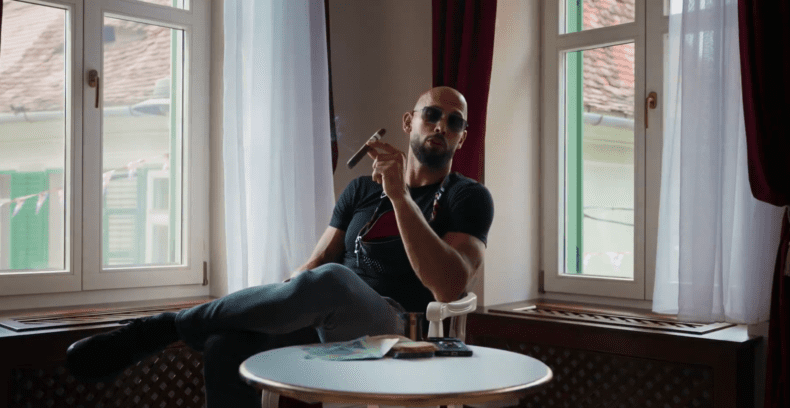
Andrew Tate, a dual British-American citizen and former kickboxer, is the more notorious of the two brothers.
He has built his public profile on a brand of extreme misogyny, describing women as “the property of men” and claiming they are “incapable of independent thought.”
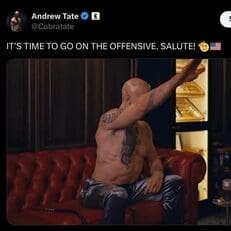
His connections to the British far right are longstanding: he formed a friendship with Tommy Robinson during his kickboxing years in Luton, and has described Robinson as “a solid guy” with “a good heart.”
During the 2024 Southport riots, Tate helped spread false claims that the attacker was a Muslim illegal immigrant, contributing to the wave of Islamophobic violence that swept England.
Internationally, Tate has become a cause celebre for the hard right: Dutch far-right politician Thierry Baudet tabled a parliamentary motion calling for EU intervention on Tate’s behalf following his Romanian arrest, and Tristan Tate donated money to anti-immigration activists in Ireland.
They were recenty seen partying in Miami with the virulant online antisemite Nick Fuentes.

Romanian courts have already ruled that the brothers will be extradited to the United Kingdom once domestic proceedings conclude, ensuring that their legal exposure extends well beyond Bucharest.
In Britain, arrest warrants have already been issued relating to allegations including rape, assault and human trafficking involving multiple complainants.
Allegations reinvestigated
In parallel, a civil claim brought by four women in the UK is moving towards the High Court, and Hertfordshire Constabulary has recently announced it is reopening its investigation into sexual offence allegations made by three women against Andrew Tate four years ago.
This investigation was closed in 2019, and the CPS at the time concluded the claims did not meet the legal test for a realistic prospect of conviction. However, Hertfordshire police confirmed two weeks ago that it had decided to reinvestigate.
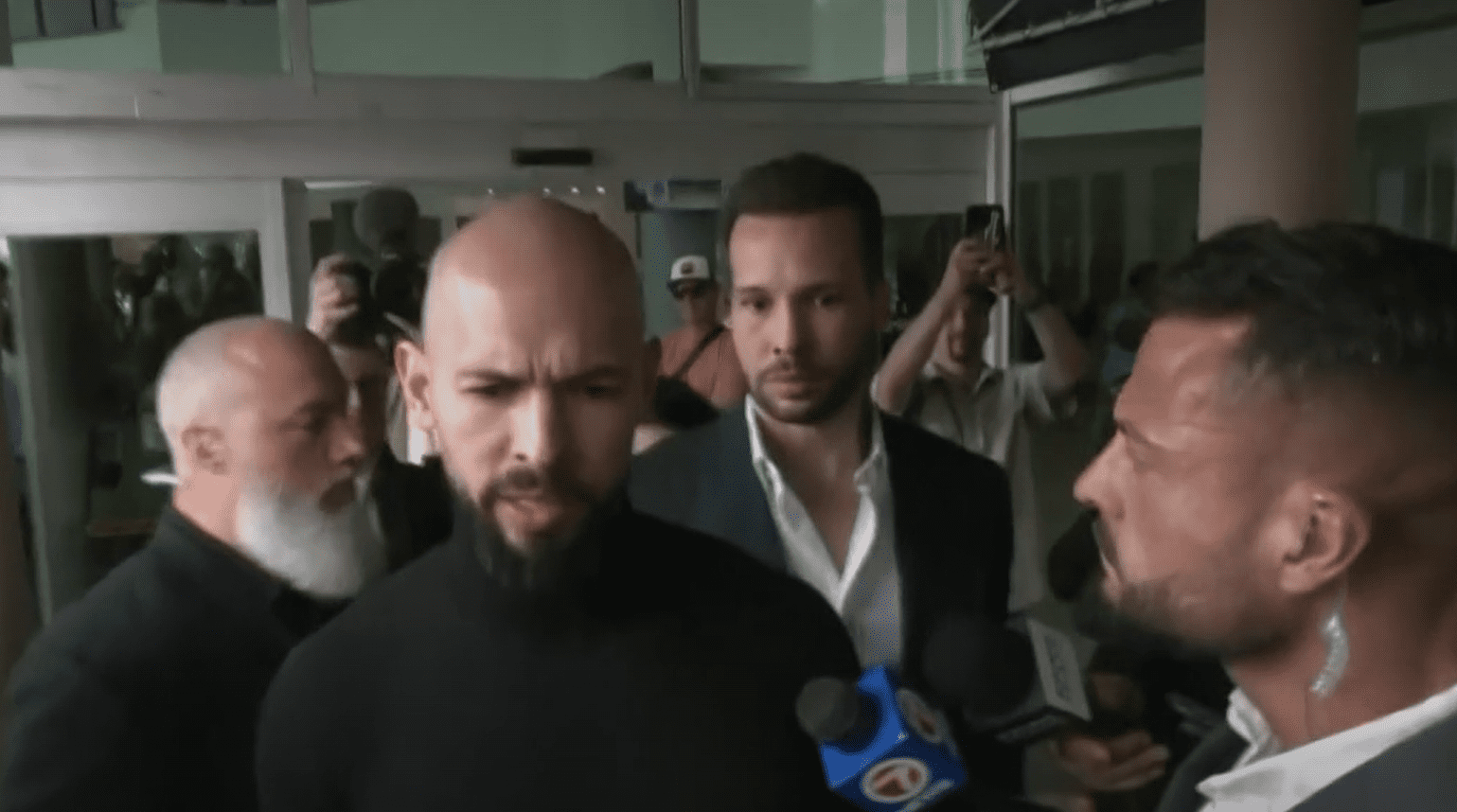
The United States has also become entangled in the brothers’ legal battles. In early 2025, they travelled to Florida after a temporary relaxation of Romanian travel restrictions, a move reported to have followed diplomatic pressure from figures linked to the Trump administration.
Their arrival drew a sharp response from Florida governor Ron DeSantis, who said the pair were not welcome in the state, and local authorities moved to open an investigation.
Multiple criminal investigations
The Tates have themselves gone on the offensive in the US courts, filing defamation claims against some of their accusers. Some elements of their cases have been dismissed while others have been allowed to proceed.
Taken together, the brothers remain embroiled in multiple criminal investigations and civil actions across Romania, the United Kingdom and the United States. The removal of judicial controls in Bucharest marks a procedural victory, but it is a minor one that does little to reduce the scale of legal challenges still facing them.