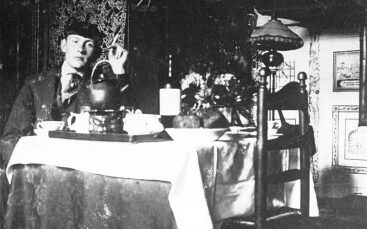
On this day in 1943, a small group of Dutch resistance fighters carried out one of the most audacious acts of sabotage of the Nazi occupation, an operation that saved countless Jewish lives and struck a blow against the machinery of fascist persecution.
Led by sculptor Gerrit van der Veen and painter and writer Willem Arondeus, the group had meticulously planned an attack on the Amsterdam civil registry office, with the aim of destroying its records without causing any loss of life.
Detain and deport
Their motive was simple but urgent. The Germans required everyone aged 15 and over to carry identity cards, making it easy to identify Jews and others they wanted to detain and deport to concentration camps.
Arondeus and his colleagues had been forging false papers to protect persecuted people, but the registry undermined their work; the forgeries could be checked against the real records and exposed as fakes.
On the night of 27 March 1943, Arondeus and a group of 14 resistance fighters, mostly artists and intellectuals disguised as Dutch policemen, gained entry to the building and planted explosives throughout the archive.

The attack managed to destroy 800,000 identity cards, around 15% of the records, and the group also retrieved 600 blank cards and 50,000 guilders.
It is believed the action saved many Dutch Jews from arrest and deportation.
Betrayed
The Reichskommissariat immediately offered a 10,000 guilder reward for information about the perpetrators and within a week, most of the conspirators had been betrayed and arrested.
Arondeus refused under interrogation to name his colleagues, though a notebook found in his possession led to further arrests.

Only Frieda Belinfante, a lesbian cellist who had helped prepare the assault, escaped, disguising herself as a man and eventually reaching Switzerland.
Arondeus and his co-conspirators were tried by a Nazi military tribunal in June 1943.
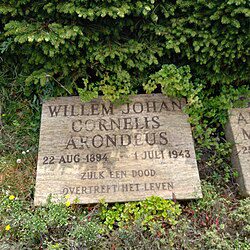
Twelve were sentenced to death, with two spared apparently because Arondeus accepted full responsibility, hoping to save the younger men.
On 1 July 1943, he was executed by firing squad in the dunes of Overveen.
Before he died, Arondeus sent a message through his lawyer: “Tell the world that homosexuals are no less courageous than anyone else.”
Role obscured
For years his role was obscured, a heterosexual resister was credited with leading the operation.
Only in 1984 did the Dutch government posthumously award him the Resistance Memorial Cross.
Arondeus was one of twelve executed that July morning; gay men, artists, and intellectuals who chose action when it mattered most.