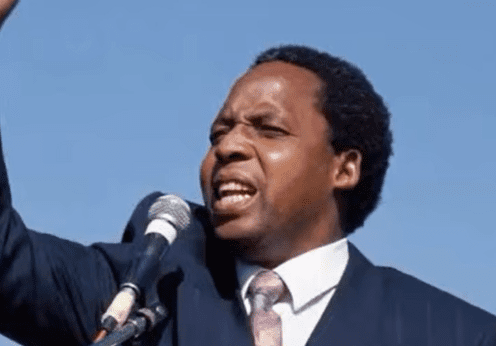
On this day in 1993, Chris Hani, General Secretary of the South African Communist Party and the most popular ANC figure after Nelson Mandela himself, was shot dead outside his home in Dawn Park, Boksburg. His daughter Nomakhwezi, then fifteen years old, was with him at the time.
The plot had British connections that are often overlooked.
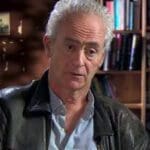
Hani’s death sparked nationwide demonstrations and changed the course of South African history. According to Jeremy Cronin, then Deputy Secretary of the SACP, the actions of the assassins came close to plunging South Africa into civil war.
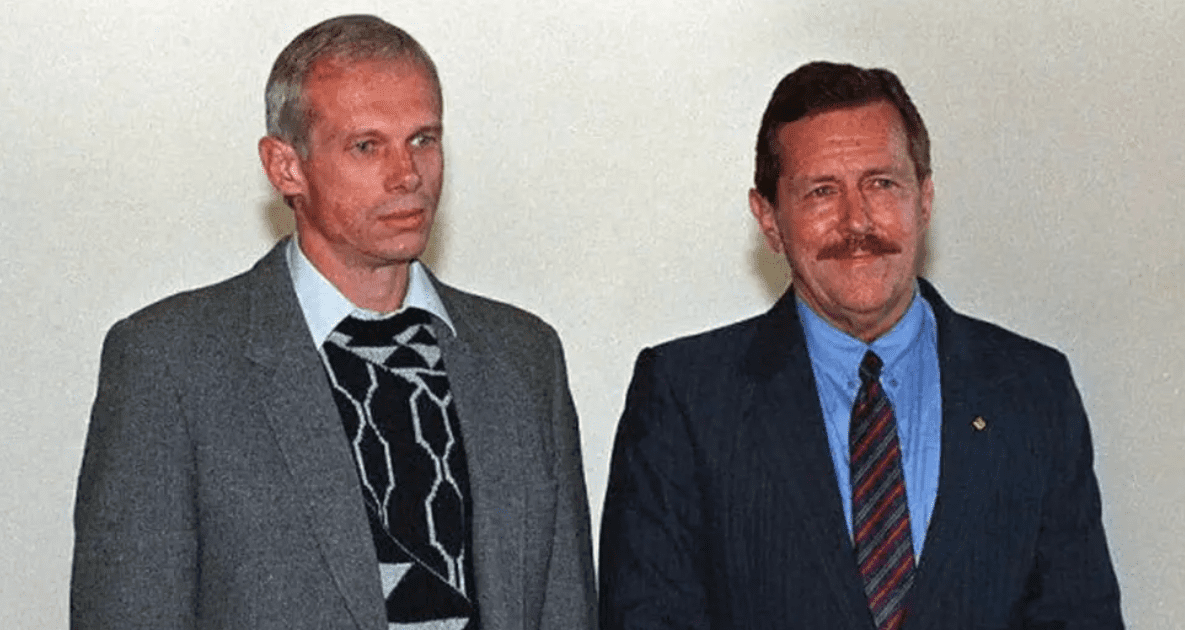
The assassin, Polish far-right anti-communist immigrant Janusz Waluś, was arrested the same day after an Afrikaans housewife, Margareta Harmse, recognised him and called the police.
His co-conspirator, Clive Derby-Lewis, the Shadow Minister for Economic Affairs for the Conservative Party of South Africa, was arrested for complicity in the murder, having supplied Waluś with the modified pistol used in the attack.
British threads
Both were convicted in October 1993 and received death sentences that were later commuted to life imprisonment when the death penalty was abolished under a Constitutional Court ruling in 1995.
Waluś, at his 1997 amnesty hearing, stated openly that his aim was “to plunge the country into a state of chaos which would allow the right to take over.”
The plot has been extensively documented in South Africa. Less well-known is how many threads led back to Britain.
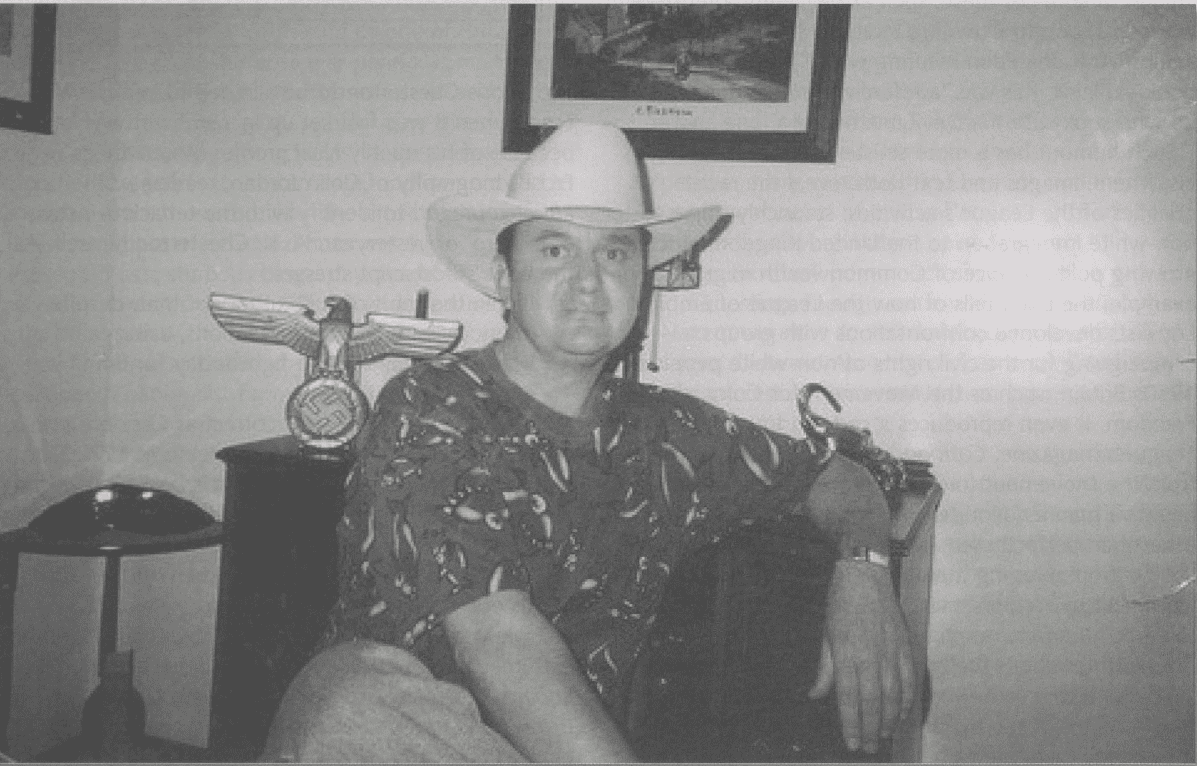
The most direct British connection to the murder was Arthur Kemp, Rhodesian-born to a British father, who in 1996 relocated to the United Kingdom, where he would go on to become a senior figure in the British National Party.
Kemp worked for Die Patriot, the newspaper of the white supremacist South African Conservative Party, from 1989 to 1992.
Security police
He was also a sergeant in the South African security police which was responsble for wholesale human rights abuses during the Apartheid years.
Kemp was reputed to have helped cover up at least one racist murder by other officers.
He was connected with the Afrikaaner National Socialist Movement and in contact with William Pierce’s National Alliance in the US.
Compiled address list
At Waluś’s trial, Kemp admitted that he had compiled a list of addresses including Hani’s and given it to Gaye Derby-Lewis, wife of Clive Derby-Lewis, though he denied knowing it would be used for a murder. Hani’s name was the third on the list; at the top was Nelson Mandela’s.
Material drawn from Kemp’s list was found at the home of Janusz Waluś. The question of precisely what Kemp knew and when has never been definitively settled to everyone’s satisfaction.
At the Truth and Reconciliation Commission, Gaye Derby-Lewis stated that Kemp was “politically shrewd” and that “it was not necessary to spell anything out to him.”
Kemp, who testified against the Derby-Lewises at trial, has consistently denied any foreknowledge of the assassination.
Whatever the truth of that question, his subsequent career trajectory is not in dispute.
Kemp moved to the United Kingdom in 1996. In the same year he spoke at a neo-Nazi meeting in Germany and wrote for the German fascist publication Nation und Europa.
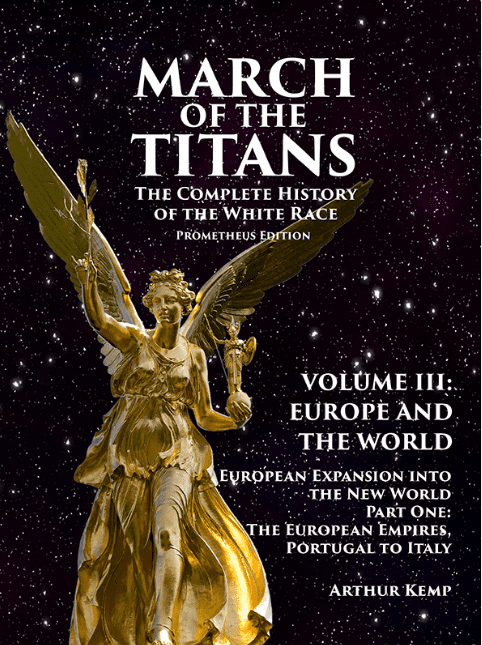
In 1999 he began Ostara Publications as a vehicle for distributing his own white supremacist writings, including his book March of the Titans, described by historian Paul Jackson as “clearly neo-Nazi material” and which questions the number of Jews killed in the Holocaust.
He became manager of Excalibur, the BNP’s merchandising arm, and was later put in charge of the BNP website.
We reported in 2007 that Kemp was in charge of the ideological training of the party’s elite activists, and had been welcomed by Nick Griffin as, “A highly skilled and very welcome addition to our central team”.
He played a leading role in training courses at the BNP Summer camp that year.
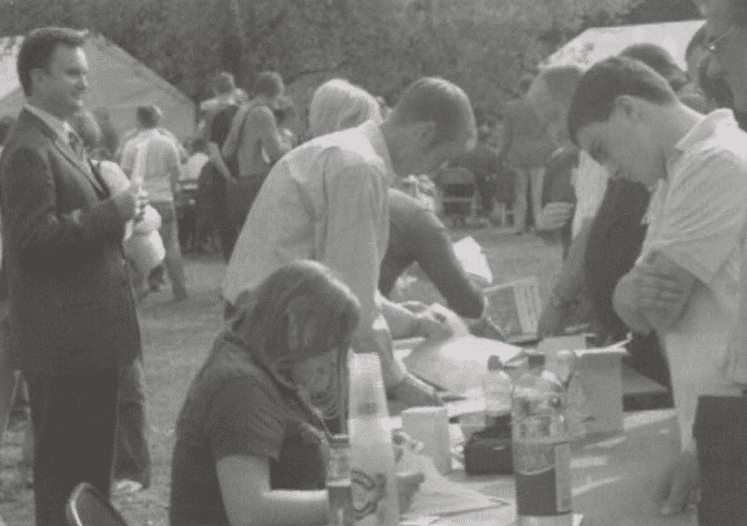
In 2009 he was spotted at the BNP’s election headquarters in Wales preparing thousands of campaign leaflets.
He resigned from all BNP positions in March 2011 and has since largely retreated from public life, though he continues to run his Ostaria online publishing venture selling his own work and reprints of racist literature.
Traditional Britain Group
He does resurface occasionally to grace Traditional Britain Group events organised by Gregory Lauder-Frost, who was also a close friend and poltical colleague of Clive Derby-Lewis.
TBG is a far-right umbrella group that has attracted speakers ranging from Jacob Rees-Mogg (who later said his appearance was “a mistake”) to assorted European nazi figures.
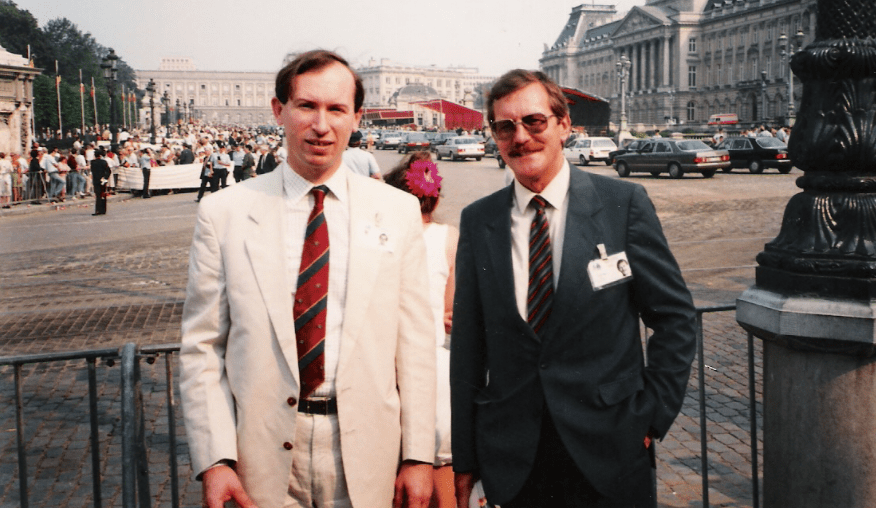
Lauder-Frost was a member of the Western Goals Institute, an organisation with close links to the European far-right and South African racist politicians, whose vice-president was Clive Derby-Lewis.
The Western Goals Institute supported the continuance of apartheid policies in South Africa and hosted a visit to the UK in June 1989 by the hierarchy of the Conservative Party of South Africa, including its leader Dr. Andries Treurnicht, with a press conference held in a committee room of the House of Lords.
Guest speaker
Arthur Kemp was a guest speaker at the TBG conference in 2016 and invited to its annual dinner in 2017.
Lauder-Frost had no involvement in the murder plot, by the time the assassination took place he was already in a British prison, having been convicted of fraud against his employer, Riverside Health Authority, from whom he had embezzled £100,000.
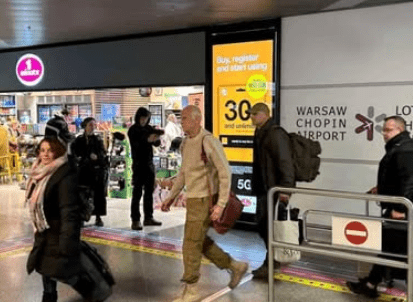
In December 2024, Waluś, who had spent almost 30 years in South African prisons, was deported to his native Poland.
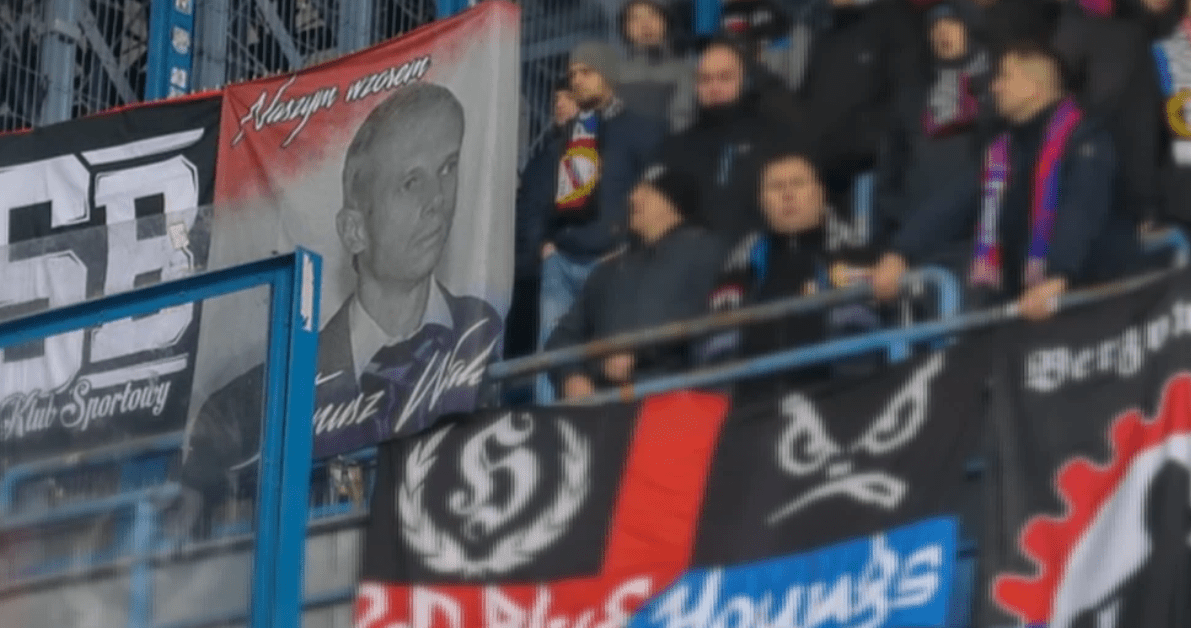
He arrived at Warsaw airport to a hero’s welcome from Polish extremists, including a leader of the Confederation party.
In Poland the far right has for years supported Waluś and praised his murder of Chris Hani.
Hani had survived a number of assassination attempts in previous years. He had emerged as easily the second most popular politician in South Africa after Nelson Mandela.
He was a man of uncommon qualities: a former guerrilla commander, a student of classical languages, a communist who read widely and thought carefully.
Accelerated negotiations
Those who knew him at the time have suggested he might have made a more effective successor to Mandela than Thabo Mbeki.
The men who killed him believed they were striking a decisive blow against the transition to democracy. They were wrong about that. His death accelerated negotiations between the ANC and the ruling National Party, leading to an inclusive national democratic election in April 1994.
Searchlight published two major investigations into the Chris Hani murder, and Arthur Kemp, in 2007. You can find them here: