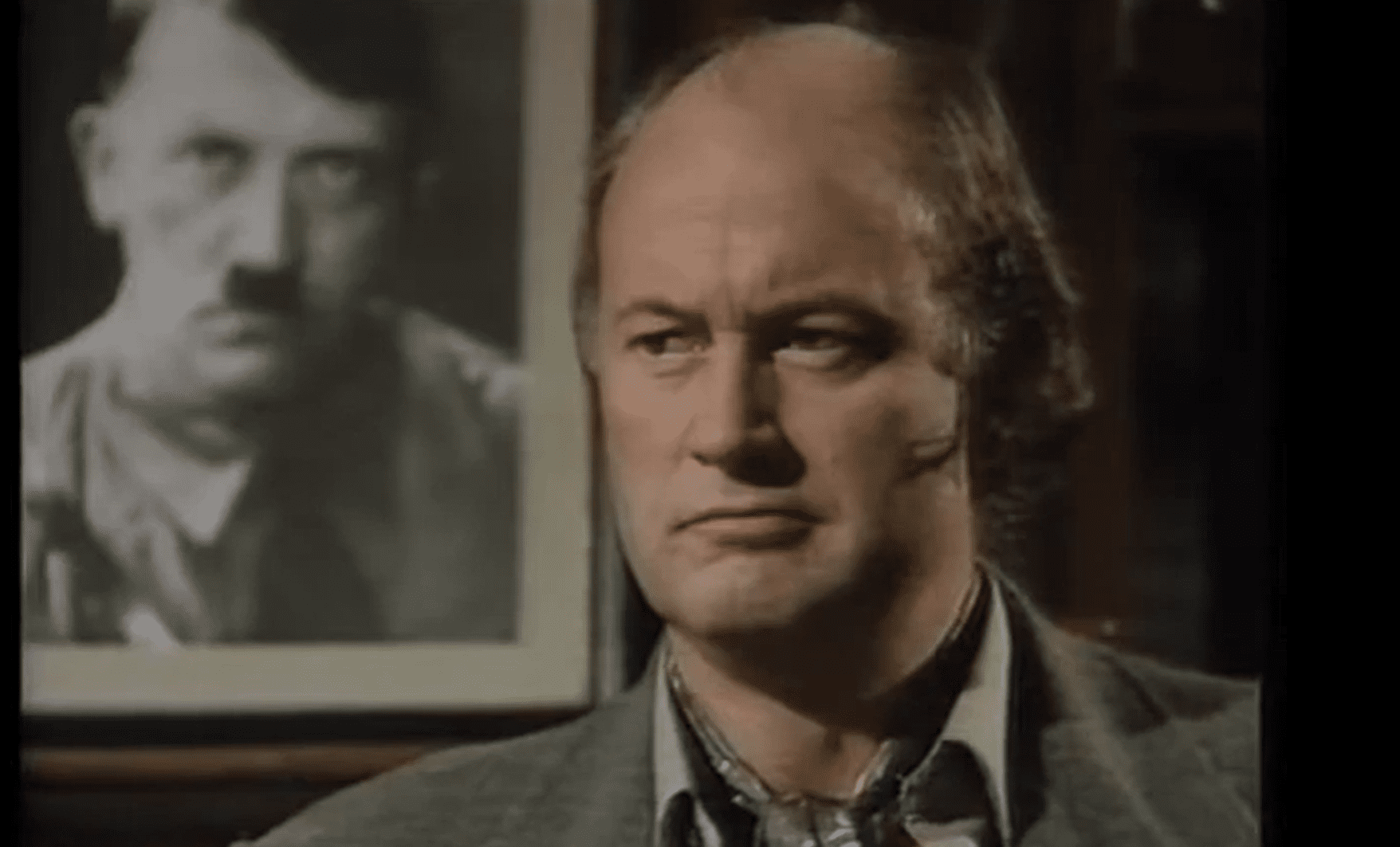
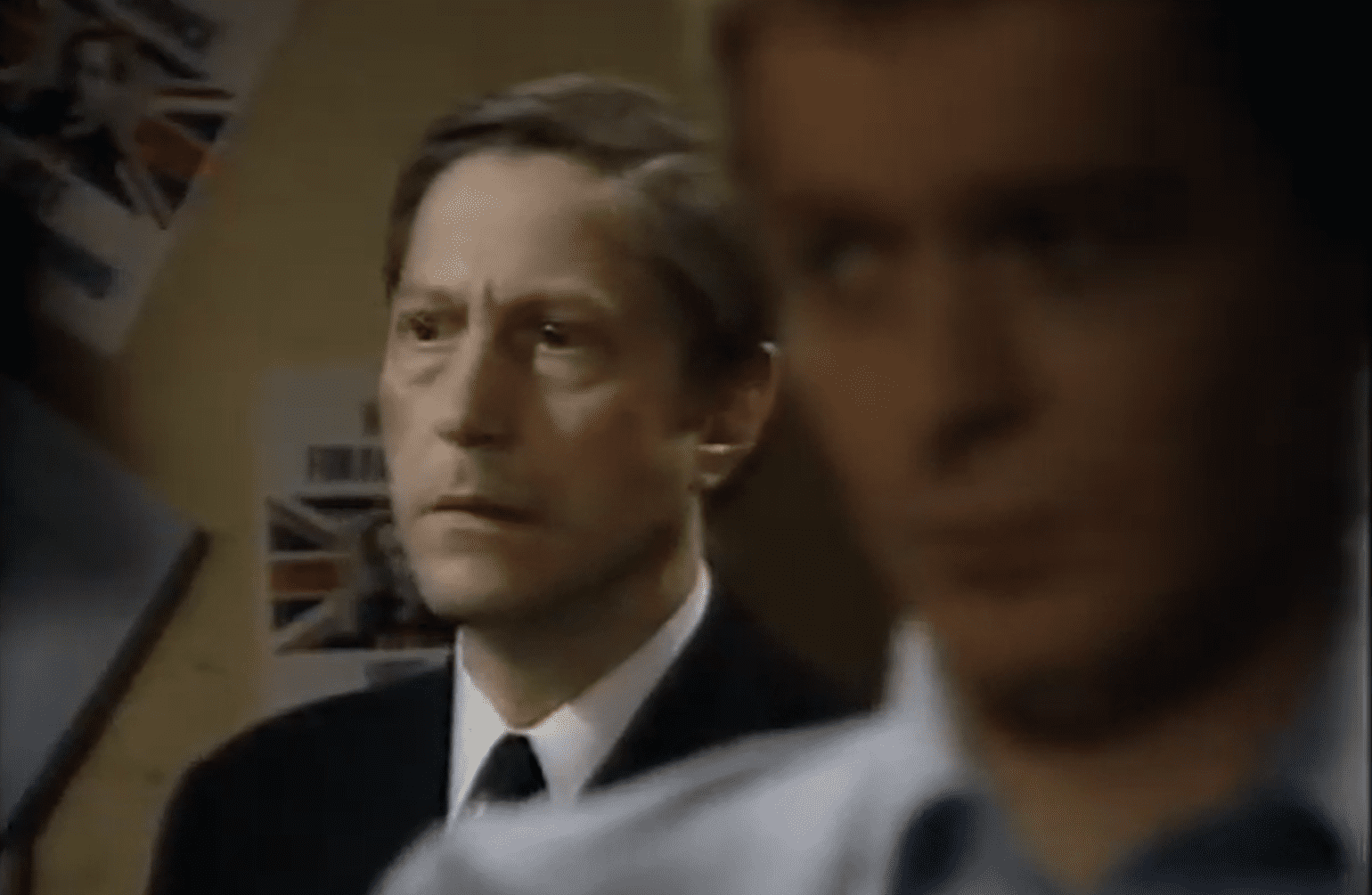
This year sees the 50th anniversary of David Edgar’s anti-fascist play Destiny, premiered by the Royal Shakespeare Company in Stratford in 1976. The play then transferred to the Aldwych Theatre in London’s west end and was then broadcast as a BBC Play for Today.
Performed at the height of the National Front’s 1970s success, Destiny was described by Guardian critic Michael Billington as “a play that is something more than skilful and well-written. It is one that is actually necessary”. Dennis Potter called the television version “a play which astonished me with its intelligence, density, sympathy and finely controlled anger”.
Marking the anniversary
The play’s anniversary will be marked by readings of key scenes (by leading actors including Roger Allam, Geoffrey Streatfeild, Emma Manton, Akshay Khanna and Mark Quartley) and a panel discussion of its relevance, at 2.00pm and 6.30pm on 3 May, at the Cockpit theatre in Marylebone, London.
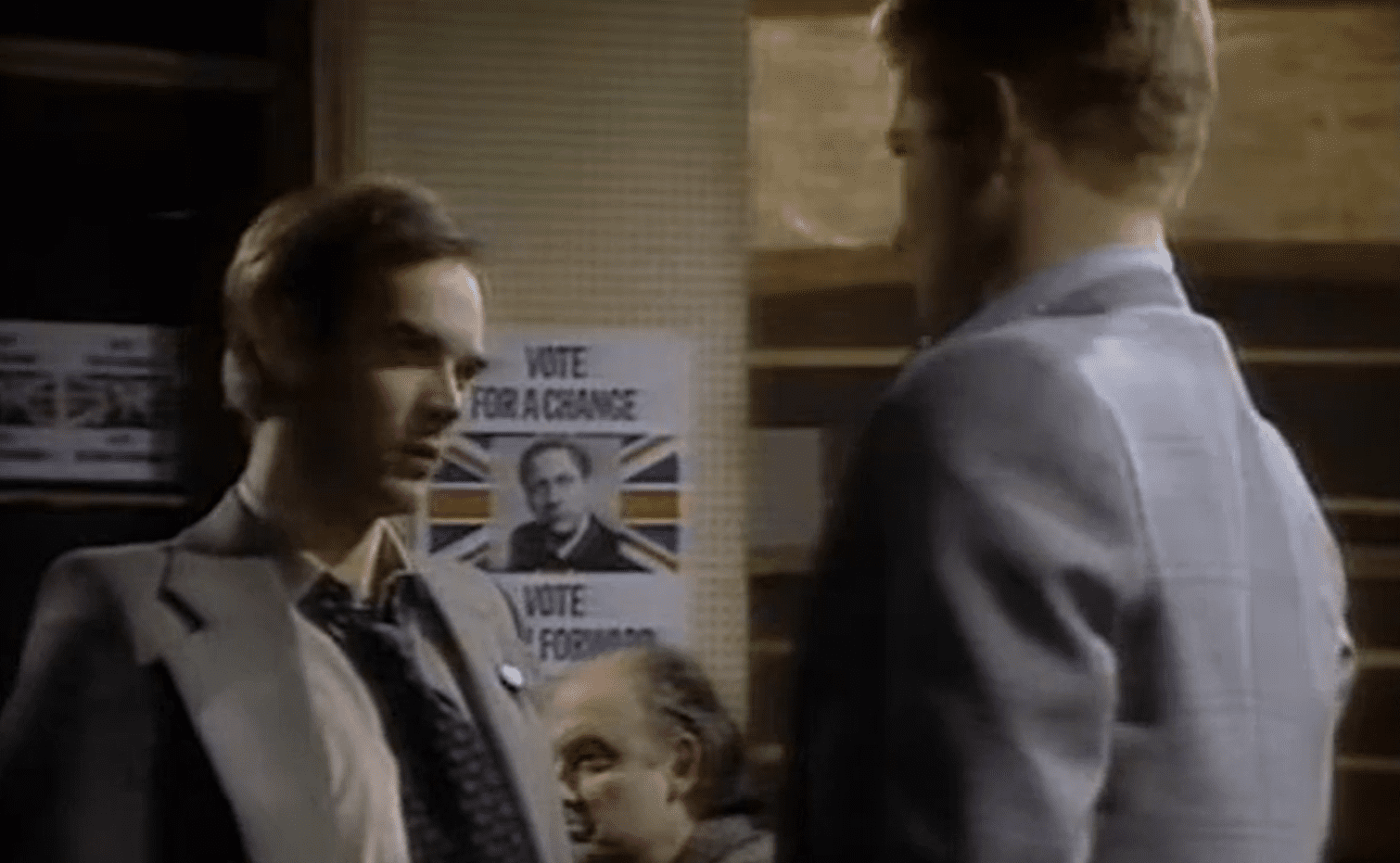
In a very real way, Destiny was enabled by Searchlight. Playwright David Edgar was inspired to write about contemporary British fascism by the growth in far-right racism in Bradford – where he had been a reporter – and the success of the NF’s Martin Webster in saving his deposit at the West Bromwich by-election in 1973.
He wanted to answer the question of how a neofascist party could gain traction, in Britain of all places, less than 30 years after the end of the war against Hitler.
Contact with Searchlight
To research the play, David made contact with Maurice Ludmer and Gerry Gable, who were about to launch Searchlight as a monthly magazine.
To gain access to far-right periodicals – and as a quid quo pro for Maurice and Gerry’s considerable help – David agreed to write a regular “What Their Papers Say” column for Searchlight.
His exposure in Searchlight of the real-life National Front’s gradual move towards ever more overt antisemitism (and holocaust denial) was dramatized in the play, as the fictional Nation Forward party (as David put it, “not an impenetrable disguise”) sucked its supporters into an ever-tighter conspiratorial web.
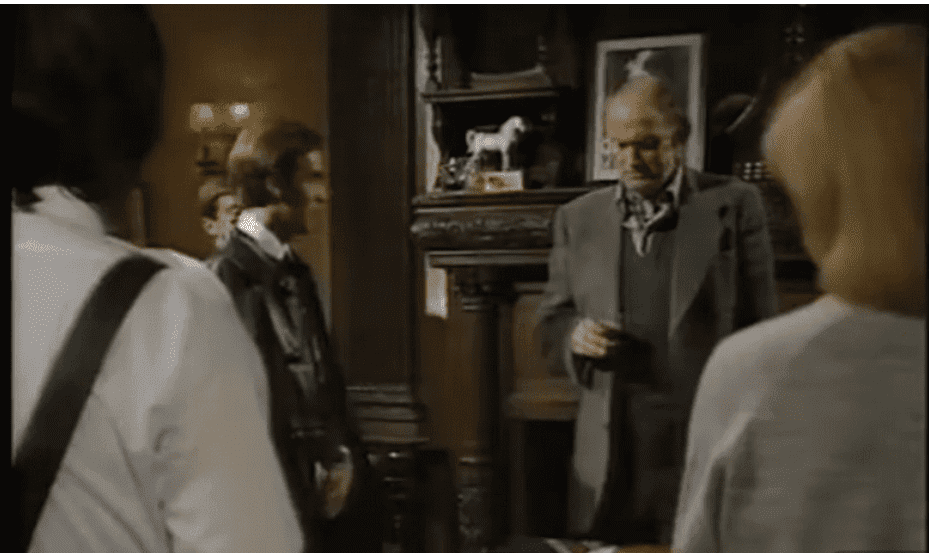
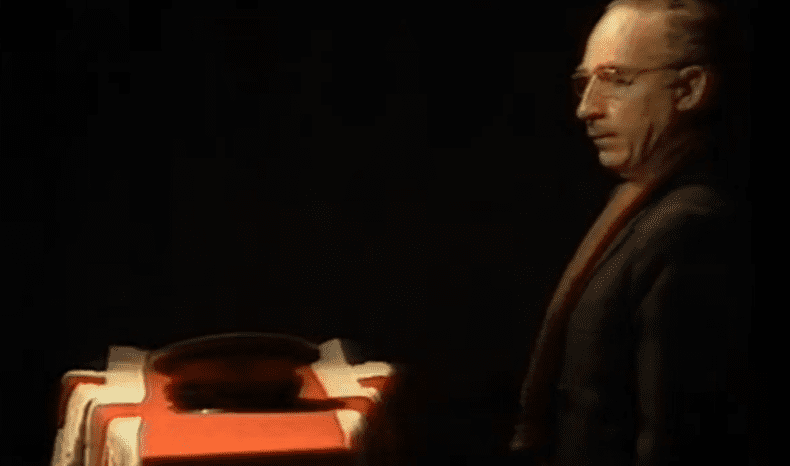
The Nazi origins of the Nation Forward leaders was shown in a Hitler birthday celebration, the ceremonial of which was described to David in detail by a Searchlight mole.
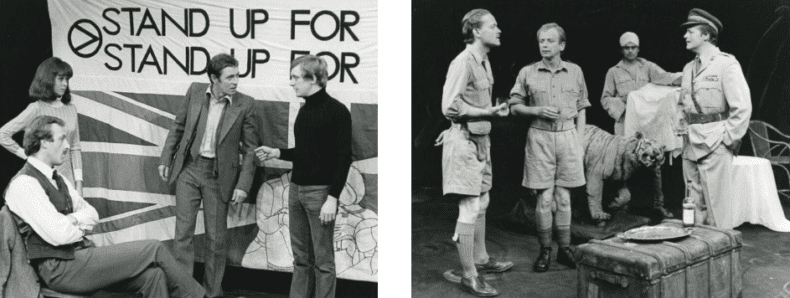
To demonstrate the deep connection between the British far right and the country’s imperial past, Destiny starts in the box room of a British Army barracks in India, on the day of independence.
Thirty years on
The four characters in the scene – a Colonel, a Major, a Sergeant and a Sikh servant – reunite in a west midlands town 30 years later: the Colonel as a dying Tory MP, the Major as an unsuccessful candidate to succeed him, and the servant as an unofficial shop steward in a foundry.
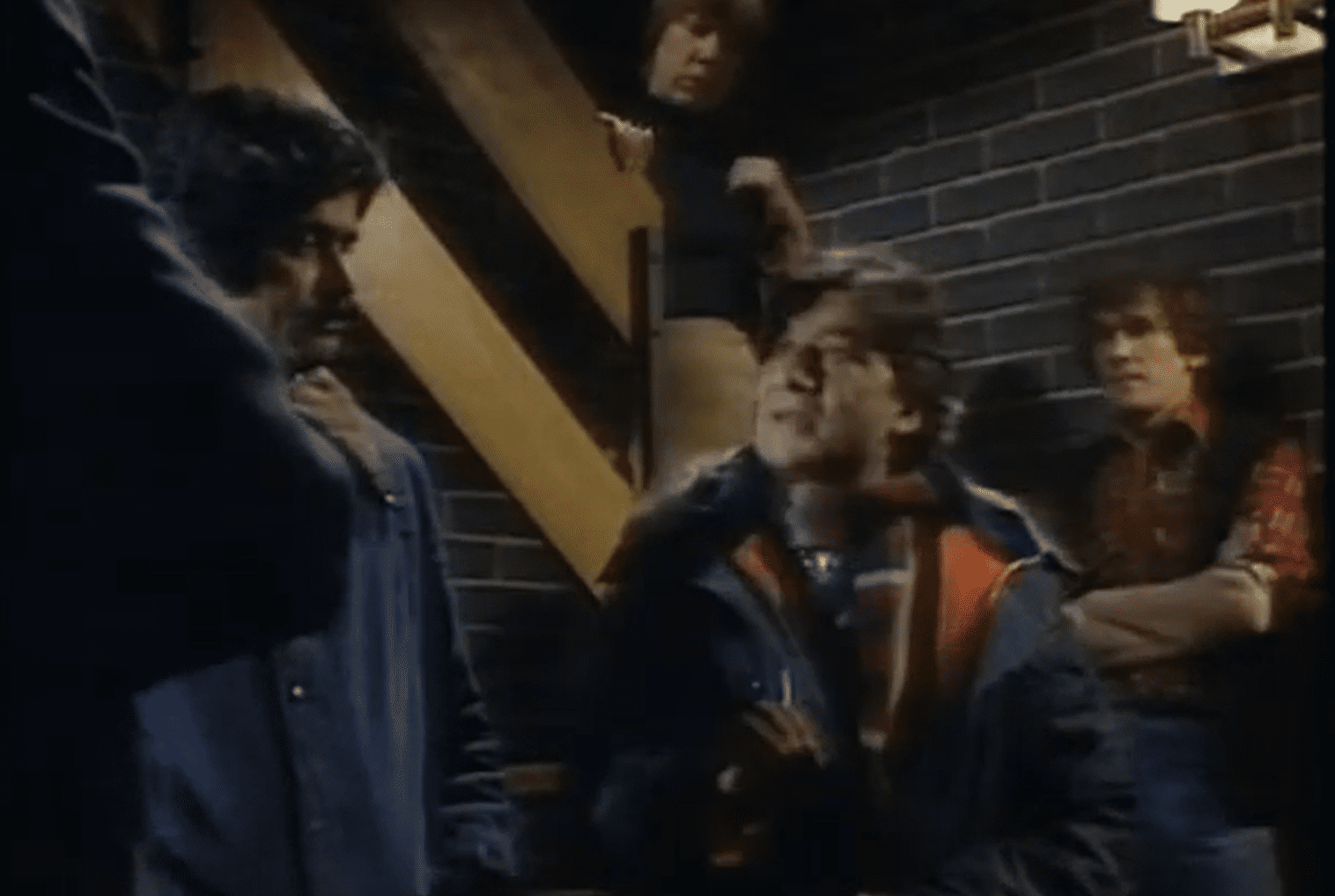
The Sergeant loses his antique shop to a multinational company and – bitter and dispossessed – becomes the Nation Forward candidate in the by-election following the Colonel’s death.
At the same time, the Sikh servant leads a strike against discrimination, based on the many strikes by Asian workers – from Mansfield Hosiery and Imperial Typewriters to Grunwick – which transformed the trade union movement in the 1970s.
The strike and a violent intervention by Nation Forward dominates an increasingly aggressive and ugly campaign.
Destiny was commissioned by Nottingham Playhouse, who turned it down, and then re-commissioned by the Birmingham Repertory Theatre, who also turned it down, as did all the theatres to which the play was sent, including the Royal Shakespeare Company.
However, a young Brazilian director, Ron Daniels, persuaded RSC Artisitc Director Trevor Nunn to revisit the play, which was presented in 1976, the year in which the NF gained nearly 20% of the vote in Leicester local elections, Eric Clapton called for an all-white Britain, and Rock Against Racism was founded.
Fascist threats
The play transferred to London during the Queen’s Silver Jubilee in May (the month in which the NF gained 119,000 votes in London), where the audience was heckled and threatened by supporters of the NF breakaway National Party. Alongside Maurice Ludmer, David Edgar was a founder member of – and activist in – the Anti-Nazi League, as NF demonstrations became increasingly confrontational.
The television Destiny – directed by Mike Newell, later to make Four Weddings and a Funeral – was broadcast on 31 January 1978, the day after Margaret Thatcher made her notorious World in Action statement that “people are really rather afraid that this country might be rather swamped by people with a different culture”.
A year later, the NF went down to humiliating defeat (1.3% of the vote in the 303 seats it contested) in the May 1979 general election.
National Front failure
There’s still much debate as to why the NF failed so spectacularly in 1979 – suggested causes included the Thatcher swamping statement; a more general sense that the Tory party had moved to the right on cultural issues, stealing the NF’s clothes; the growing success of British multiculturalism; or the anti-racist and anti-fascist campaign that successfully exposed the NF as a Nazi front, a campaign in which Searchlight was completely central and Destiny played its part.
Certainly, in the mid-1970s, much centrist, liberal opinion felt that the Front was no more than an unpleasant but democratically valid anti-immigration organisation, and that to dub it neo-Nazi was a grandiose leftist fantasy.
By the end of the 1970s, nobody believed that any more, and the far right descended into sectarian obscurity for over 20 years.
One of the reasons for marking Destiny’s anniversary is to ask why the far-right has reemerged and whether the campaign against it in the 1970s has any lessons to teach us today.
At the Cockpit, alongside the reading of extracts from the play, Byline Times’s Hardeep Matharu will chair two panels of commentators and activists, including Yasmin Alibhai-Brown (the i), Kenan Malik (Observer), Asad Rehman (Friends of the Earth), former Searchlight editor Andy Bell and David Edgar, to debate what the play tells us about the far right and the struggle against it, 50 years on.
There will also be a session on Destiny as part of the Royal Shakespeare Company’s annual August summer school as part of a discussion of the RSC’s contribution to political theatre.
Booking details
For booking details for the Cockpit event on 3 May (readings and discussion at 2.00pm and 6.30 pm), see https://www.thecockpit.org.uk/show/david_edgars_destiny_-_50th_anniversary_revival. For details of the RSC summer school in August, see https://www.rsc.org.uk/learn/lifelong-learners/rsc-summer-school.
David Edgar continued to write for the print Searchlight up to and including its final edition last year. With Jon Bloomfield, he is co-author of The Little Black Book of the Populist Right (Byline Books) which has just been reissued in a new and updated edition.
You can watch the BBC Play for Today production of Destiny here: