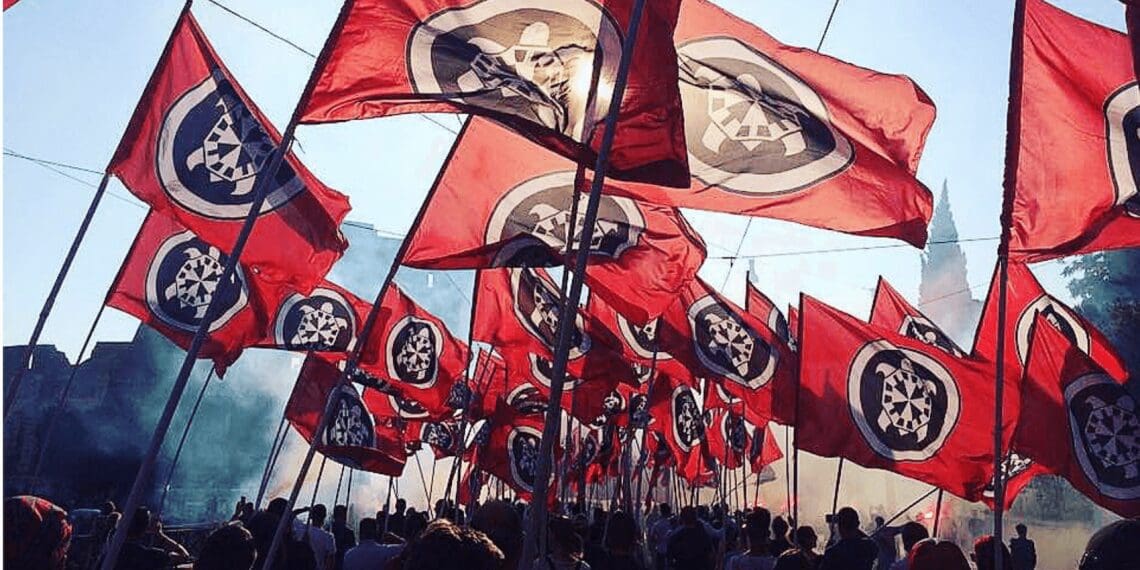
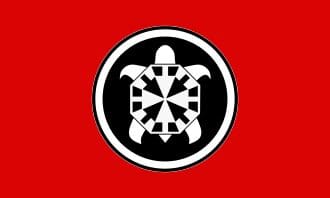
A covert network of high-profile financiers – including diplomats, academics, lawyers, military officials, and media figures – has been secretly funding Italy’s neo-fascist CasaPound movement, according to newly uncovered internal documents.
The group, calling themselves the “Gli Unici” (The Unique Ones), was established in 2017, a year ahead of Italy’s 2018 general elections, with the aim of helping CasaPound secure a foothold in national politics.
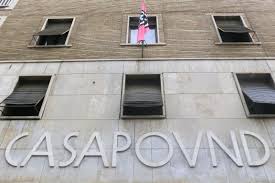
CasaPound had been set up in Rome in 2003, and named after the American poet Ezra Pound, a supporter of Mussolini and Italian fascism.
Putting down local roots
As well as the usual characteristics of a post-war fascist movement, it has concentrated on putting down roots in local communities by opening organising hubs, often in squatted property, offering a mix of nationalism, social welfare facilities, and street activism that appeals to disaffected youth and working-class communities.
Though the movement failed to reach even 1% of the vote in 2018 election, the fundraising effort continued. Comprising around 70 individuals, Gli Unici operated in strict secrecy because of the sensitive and often prestigious professional positions of its members.

They are identified in internal documents obtained and published by journalist Paolo Berizzi in the Italian daily newspaper La Repubblica.
Meetings of Gli Unici were held monthly in cities such as Rome, Milan, Turin, Verona, and Florence. Each member reportedly contributed €100 per month – generating an annual pool of €84,000 used to fund local CasaPound branches.
Former ambassador
Coordination of the group was handled by Anna, a doctor from Verona known within the network as “Sugar”, who has since left the organisation.
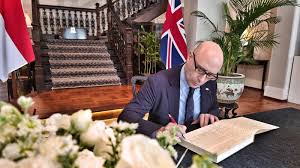
Among the Rome-based donors named in the documents are former ambassador Mario Vattani, who lived for many years in the UK; Domenico Di Tullio, CasaPound’s legal counsel; Gian Piero Joime, then a lecturer at La Sapienza University; and Fabio Massimo Frattale Mascioli, a professor of engineering and former adviser on sustainable transport for the Lazio regional government.
Also listed are a series of entrepreneurs, architects, doctors, and military figures, including Air Force General, Paolo Pappalepore.
Turin’s contributors include Carlo Alberto Biggini, grandson of a former fascist education minister; multiple lawyers and architects; and Marco Racca, a local CasaPound leader.
Failed coup d’etat
In Verona, the network includes several lawyers and entrepreneurs, one of whom, Franco Nerozzi, has a chequered past involving a failed coup attempt in the Comoros Islands, for which he received a suspended jail sentence.
The list also includes Marco Della Bernardina, president of Verona’s Young Confindustria (the industrial employers’ association), and Matteo Destri, an urban planning councillor for the centre-right Forza Italia party.
The Milan chapter boasts a diverse group of contributors, including lawyers, a yacht broker, a university professor, and prominent figures in the publishing world.
Among them is Francesco Polacchi, founder of the nationalist clothing brand Pivert and publishing house Altaforte Edizioni, both associated with far-right ideology.
Also named is Angela De Rosa, a former CasaPound regional candidate, and several journalists – including Paolo Bargiggia, sports commentator; Gianluca Mazzini of Mediaset; and Davide Burchiellaro, former deputy editor of Marie Claire Italia and a long-serving journalist at the weekly magazine, Panorama.
Tabloid notoriety
High-level corporate names also appear. Manfredi Minutelli, a government relations manager for the Chinese e-commerce giant Alibaba in Southern Europe, is listed, alongside managers from the luxury automotive sector and Luigi Favoloso, known more for his tabloid notoriety as a former partner of model Nina Moric.
The Florence contingent is smaller but no less eclectic: a tour guide, a taxi driver, and Lorenzo Berti, head of the far-right cultural association Vento dell’Est, which once hosted controversial Russian ideologue Aleksandr Dugin.
While some Unici are described in internal communications as nostalgic fascists “from Predappio” – the birthplace of Benito Mussolini – others appear more pragmatic.
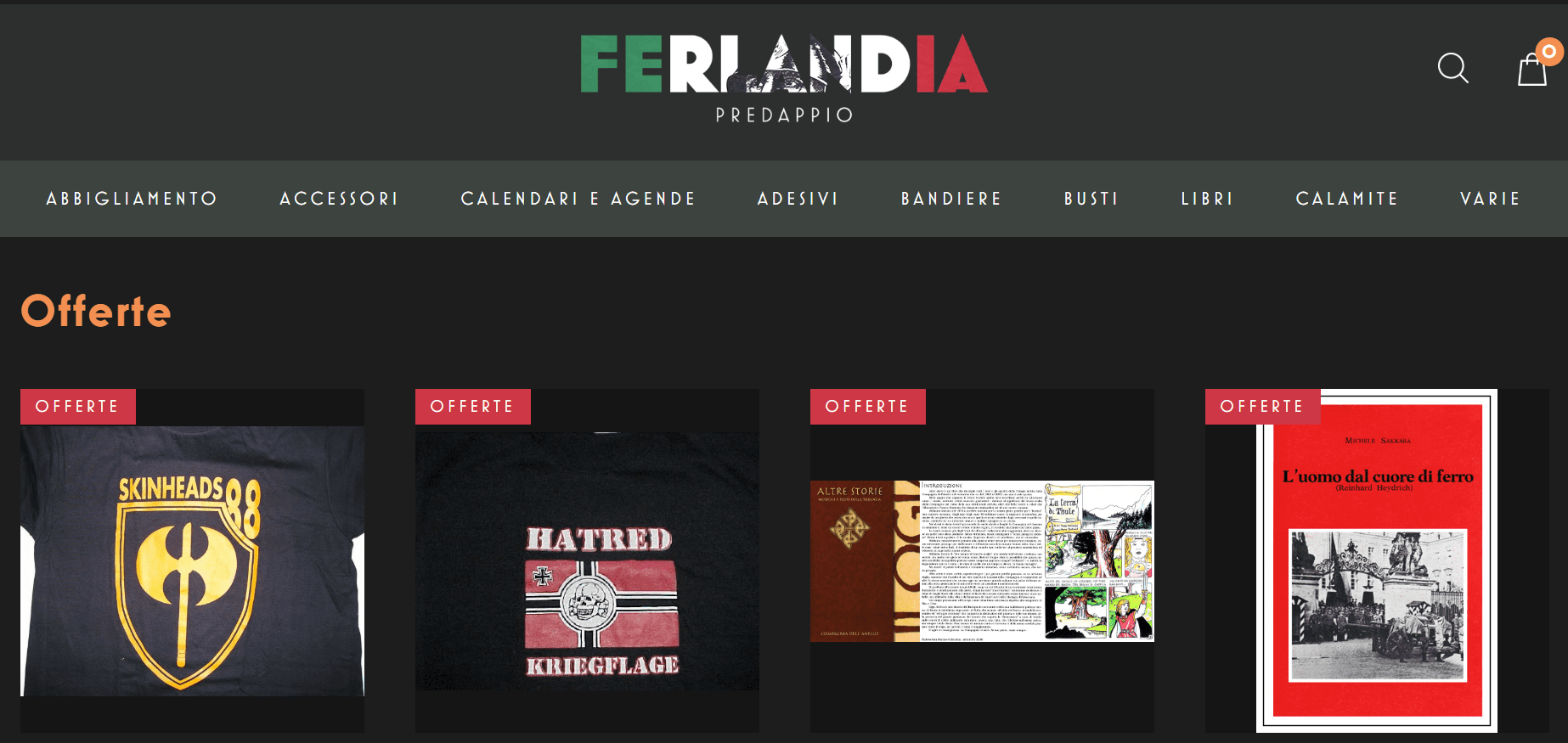
CasaPound insiders reportedly nicknamed the group “Ferlandia”, a reference to a shop in Predappio that sells fascist memorabilia. CasaPound leader Gianluca Iannone is said to have disapproved of the theatrical kitsch but tolerated it, recognising the financial lifeline the group provided.
These revelations shed new light on how a fringe fascist movement is being quietly sustained by elites operating in the shadows – a reminder that the far right’s reach in Europe often extends beyond street-level activism and into the boardrooms, lecture halls, and media studios of mainstream society.