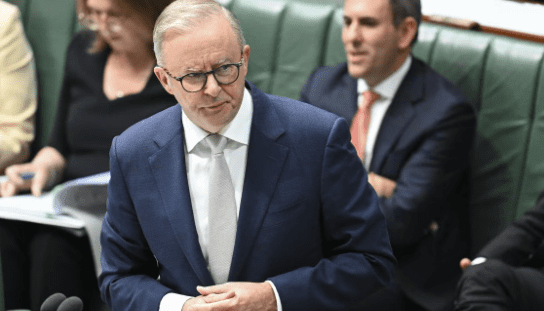
Australian police are investigating a kidnap threat against Prime Minister Anthony Albanese, uncovered in a private far‑right chatroom.
Members of a closed neo-nazi Telegram group discussed abducting the Prime Minister, and talked of hiring a van and raising several thousand dollars to carry out the plan.
Albanese later acknowledged he had been briefed about it, but said that such threats would not disrupt the work of government.
Political violence
The discovery forms part of a wider investigation into extremist activity in private online spaces. Other encrypted channels on Telegram and Discord have hosted racist propaganda, threats against minority communities and discussions of politically motivated violence.
At this stage, the material is being treated as a threat rather than a live conspiracy though police examining the chat logs have described the exchanges as serious enough to warrant escalation to federal agencies.
The individuals concerned have not been publicly identified.
There have been other, separate, arrests in Sydney and Perth of individuals accused of threatening Albinese but no ideological motivation for these is apparent.
MP targetted
One of the most prominent cases to emerge from investigations into far-right online traffic involves Joel Davis, a prominent member of the recently disbanded National Socialist Network (NSN).
Davis was arrested in Sydney after posting a message on Telegram urging supporters to target federal MP Allegra Spender following her criticism of a neo‑Nazi rally outside the New South Wales parliament in November.
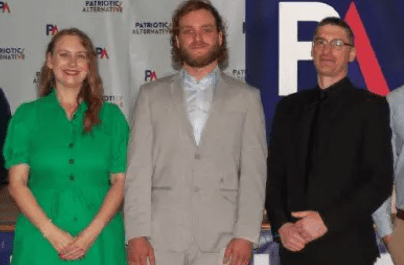
Court documents show the message was quickly shared across several NSN‑associated channels. He has been charged with using a carriage service to menace, harass or offend, an offence carrying a maximum five‑year sentence.
Davis is a favourite of the UK’s Patriotic Alternative and spoke at their annual conference in 2023. He is a frequent guest on PA leader Mark Collett’s online talk show.
Dangerous material
The court has denied Davis bail on multiple occasions. Prosecutors argued that his online activity demonstrated a continuing risk, citing additional posts recovered during searches.
Davis claimed that his language was figurative, but magistrates ruled that the context and audience made the material dangerous. His case is listed for further hearing in February.
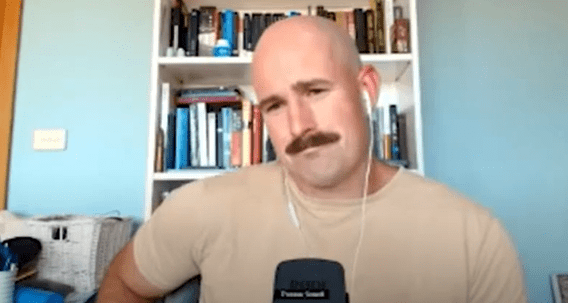
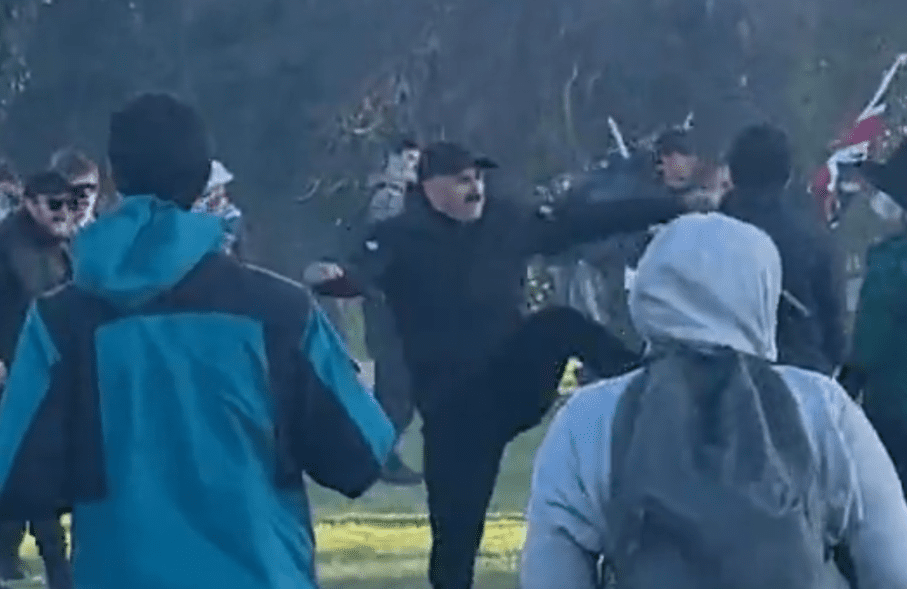
In Melbourne, former NSN leader Thomas Sewell faces a number of charges. He is accused of offensive behaviour and obscene language arising from a political demonstration in Melbourne; intimidating a police officer and breaching intervention orders; and leading a group of men in a violent attack on the First Nations protest site Camp Sovereignty, with 25 counts including affray and violent disorder.
Overlapping cases
He is also charged with assaulting a man during a white‑nationalist march.
Charges of offensive conduct linked to earlier rallies in Ballarat and Melbourne also remain active, leaving him entangled in multiple overlapping court cases.
These cases come as the Australian government expands counter‑extremism powers and introduces new federal hate‑speech provisions.
Shortly after the legislation was announced, the NSN declared it would disband, though there is evidence that this was merely a cosmetic move.